
Getting a report back after a sleep study can feel like reading a different language. This guide breaks down sleep apnea test results explained in plain English so they can understand what the numbers mean, what matters most, and what questions to ask next.
Most reports focus on how often breathing is reduced or stops during sleep, how low oxygen drops, and how sleep quality is disrupted. Once they know where to look, sleep apnea test results explained in plain English becomes far less intimidating.
What are sleep apnea test results actually measuring?
They are mainly measuring breathing interruptions, oxygen levels, and sleep disruption across the night. In practice, sleep apnea test results explained in plain English is about how frequently airflow drops and whether those drops affect oxygen and sleep stages.
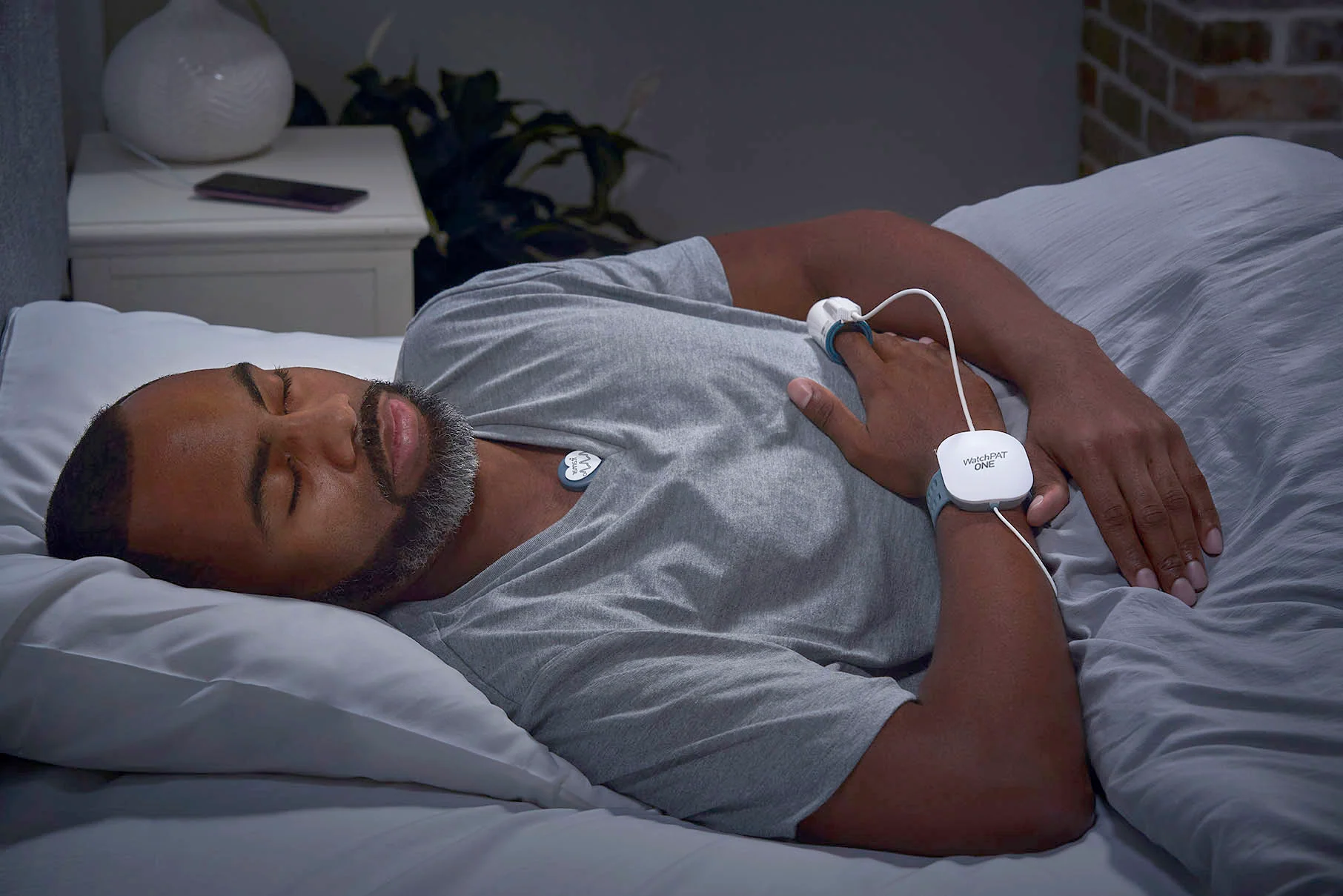
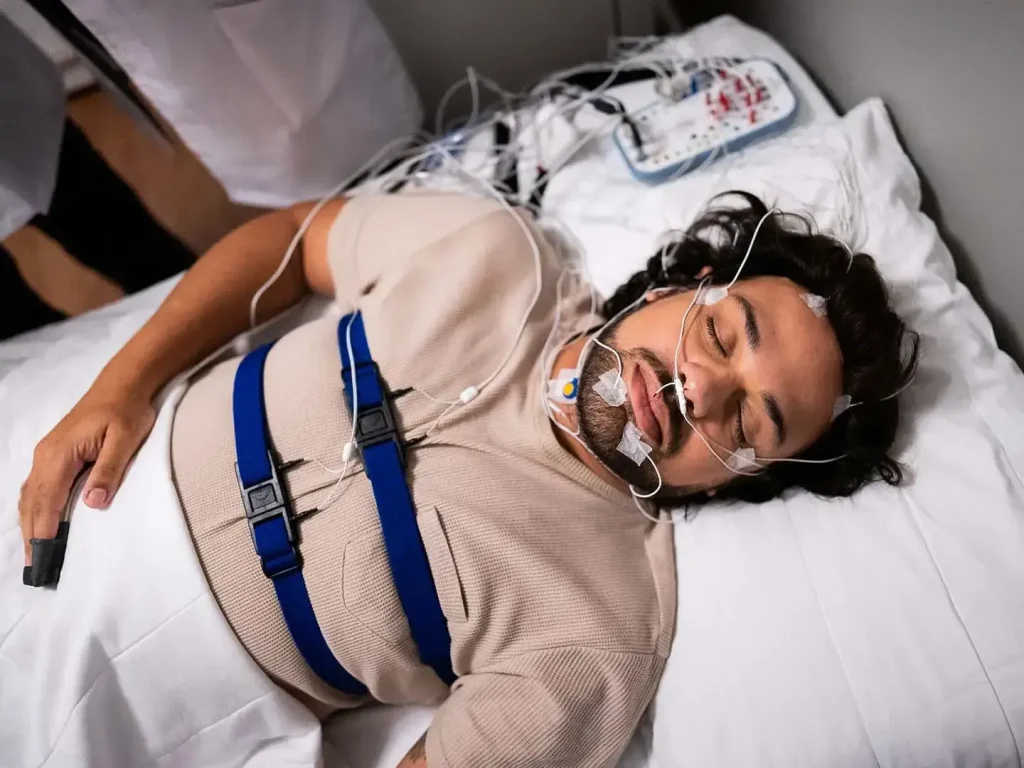
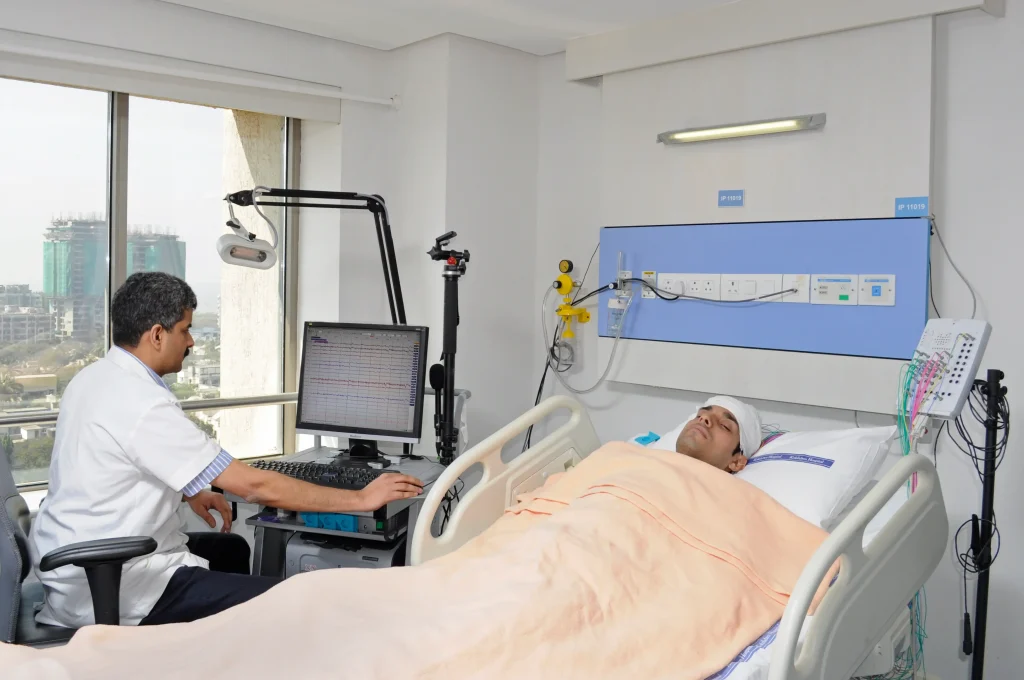
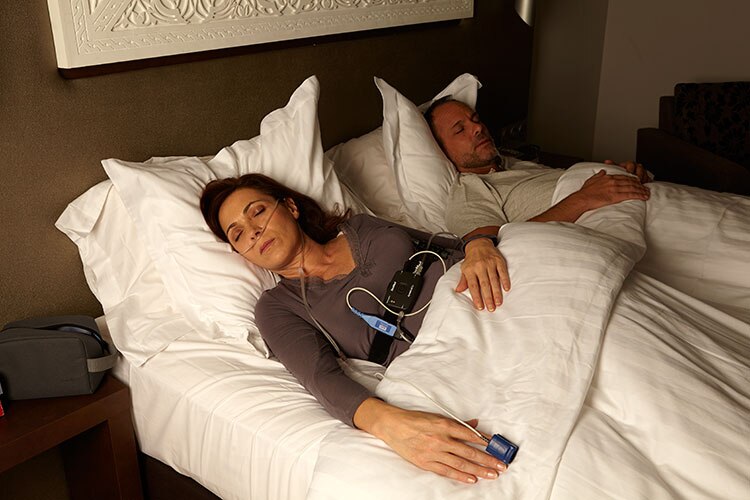
A sleep test may be done at home (HSAT) or in a lab (polysomnography). Home tests usually focus on breathing and oxygen. Lab tests add brain waves, leg movements, body position, and more.
What is AHI, and why is it the number everyone talks about?
AHI means Apnoea-Hypopnoea Index, or the average number of apnoeas and hypopnoeas per hour of sleep. In sleep apnea test results explained in plain English, AHI is the headline figure used to grade severity.
Typical adult categories are:
- Normal: under 5 events per hour
- Mild: 5 to 14
- Moderate: 15 to 29
- Severe: 30 or more
AHI is useful, but it does not tell the whole story. Oxygen drops, symptoms, and comorbidities matter too.
What is the difference between an apnoea and a hypopnoea?
An apnoea is a near-complete pause in breathing for at least 10 seconds. A hypopnoea is a partial reduction in breathing that still has a measurable impact, such as oxygen desaturation or an arousal. When people want sleep apnoea test results explained in plain English, this is often the first confusing point.
Reports may also label events by type:
- Obstructive: airway collapses despite effort
- Central: reduced effort from the brain’s breathing drive
- Mixed: features of both
Most sleep apnoea in adults is obstructive.
What is RDI, and how is it different from AHI?
RDI means Respiratory Disturbance Index. It can include apnoeas and hypopnoeas plus other breathing-related disruptions, depending on the lab and scoring rules. If the report lists both, sleep apnoea test results explained in plain English comes down to this: AHI is the standard count, while RDI may be a broader count.
In some reports, RDI is higher than AHI because it includes events that fragment sleep without meeting strict apnoea or hypopnoea criteria.
What does oxygen saturation (SpO2) mean on the report?
SpO2 is the percentage of oxygen in the blood. Many reports include average SpO2, lowest SpO2 (nadir), and the time spent below certain thresholds, often 90%. For sleep apnoea test results explained in plain English, oxygen measures show how hard the breathing events hit the body.
Common items they might see:
- Lowest SpO2: the lowest recorded value overnight
- Time under 90%: how long oxygen stayed low
- ODI: Oxygen Desaturation Index, drops per hour (often 3% or 4% drops)
A lower nadir or more time under 90% can increase health risk, even if AHI looks only moderate.
What are arousals, and why do they matter?
Arousals are brief awakenings or shifts into lighter sleep that fragment rest. They may not be remembered, but they can drive daytime sleepiness, poor concentration, and mood changes. In sleep apnoea test results explained in plain English, arousals explain why someone can feel exhausted even with enough hours in bed.
Lab studies often report an arousal index (arousals per hour). Home tests usually cannot measure arousals directly.
How do sleep stages affect how results are interpreted?
Sleep includes light sleep, deep sleep (N3), and REM. Obstructive events can worsen in REM because muscles relax more, and also when sleeping on the back. When clinicians provide sleep apnoea test results explained in plain English, they often point out whether events cluster in REM or supine (back) position.
If a report shows REM-related or positional sleep apnoea, treatment may still be recommended, but options like positional therapy or targeted CPAP settings may be discussed.
What does “positional sleep apnoea” mean in the report?
Positional sleep apnoea means breathing events are significantly worse when sleeping on the back compared to the side. In sleep apnoea test results explained in plain English, this can indicate that posture changes could reduce events for some people.
However, it depends on severity and symptoms. Someone with severe overall AHI may still need CPAP even if back-sleeping makes it worse.
What does “central sleep apnoea” mean, and is it handled differently?
Central sleep apnoea involves reduced breathing drive rather than a collapsed airway. Reports may show a Central Apnoea Index (CAI). For sleep apnoea test results explained in plain English, the key message is that central events can change the treatment plan, so they should not ignore that label.
Some central apnoea is seen temporarily with certain medications, heart failure, high altitude, or even early CPAP use in a subset of people. Follow-up and clinical context are essential.
What is a CPAP titration result, and what numbers should they look for?
A titration study finds the pressure settings that reduce events and improve oxygen and sleep stability. If the report includes a recommended pressure or an auto-CPAP range, sleep apnoea test results explained in plain English is about whether treatment brought AHI down and improved oxygen.
They may see:
- Fixed pressure (for CPAP)
- Range (for APAP), such as 6–12 cmH2O
- Residual AHI on therapy during the study
Mask type, leak notes, and comfort issues may also appear because they affect real-world success.
What does “mask leak” mean, and can it change the interpretation?
Mask leak is air escaping from the mask seal or through the mouth. Excess leak can reduce effective pressure and make results look worse than they should. In sleep apnoea test results explained in plain English, large leaks can explain why a therapy night still showed events or poor sleep.
If they use CPAP at home, leak data becomes part of ongoing optimisation. Changing mask style, adjusting fit, or addressing mouth leak can make a major difference.
How do they know if the results match their symptoms?
They should compare the numbers to what they actually experience: snoring, choking or gasping, witnessed pauses, morning headaches, dry mouth, nocturia, insomnia, and daytime sleepiness. Even with sleep apnoea test results explained in plain English, the report is only one piece of the diagnosis.
Some people have significant symptoms with mild AHI, especially if events cause strong arousals or oxygen drops. Others have high AHI but report little sleepiness, yet still face cardiovascular risk.
What is considered a “good” result after treatment starts?
A common goal on CPAP is a low residual AHI, often under 5, alongside improved symptoms and stable oxygen levels. Sleep apnoea test results explained in plain English after treatment is about whether therapy is actually working in daily life, not just on one night.
If residual AHI stays high, common reasons include poor mask fit, incorrect pressures, changes in sleeping position, alcohol near bedtime, nasal congestion, or mixed event types.
When should they ask for clarification or a repeat study?
They should ask questions if results do not match symptoms, the study was very short, sensors fell off, or the report mentions limited data quality. In sleep apnoea test results explained in plain English, uncertainty is normal, and follow-up is part of the process.
They may also need reassessment if they gain or lose significant weight, develop new heart or lung diseases, start sedating medications, or their snoring and sleepiness return despite treatment.
What are the next practical steps after they receive the report?
They should book a follow-up with their GP or sleep physician to review severity, risks, and options. Sleep apnoea test results explained in plain English is most useful when paired with a plan, such as CPAP, oral appliance therapy, positional therapy, weight management, or addressing nasal obstruction.
If CPAP is recommended, they can also ask about mask fitting, humidification, ramp settings, and how progress will be monitored over the first 2 to 6 weeks. This is where education and support often determine success.
FAQs (Frequently Asked Questions)
What do sleep apnea test results measure and how are they conducted?
Sleep apnea test results mainly measure breathing interruptions, oxygen levels, and sleep disruption throughout the night. Tests can be done at home (HSAT), focusing on breathing and oxygen, or in a lab (polysomnography), which also records brain waves, leg movements, body position, and more for a comprehensive analysis.
What is the Apnoea-Hypopnoea Index (AHI) and why is it important?
The Apnoea-Hypopnoea Index (AHI) represents the average number of apnoeas and hypopnoeas per hour of sleep. It is the key figure used to grade the severity of sleep apnea: under 5 events is normal, 5-14 mild, 15-29 moderate, and 30 or more severe. While AHI is crucial, oxygen drops, symptoms, and other health conditions also influence diagnosis and treatment.
How do apnoeas differ from hypopnoeas in sleep apnea reports?
An apnoea is a near-complete pause in breathing lasting at least 10 seconds, whereas a hypopnoea is a partial reduction in airflow that still causes measurable effects like oxygen desaturation or sleep arousals. Reports may classify events as obstructive (airway collapse despite effort), central (reduced brain breathing drive), or mixed; most adult cases are obstructive.
What does the Respiratory Disturbance Index (RDI) indicate compared to AHI?
The Respiratory Disturbance Index (RDI) includes apnoeas and hypopnoeas plus other breathing-related disruptions that may fragment sleep but don’t meet strict criteria for apnoeas or hypopnoeas. RDI can be higher than AHI because it captures a broader range of respiratory events affecting sleep quality.
What role does oxygen saturation (SpO2) play in interpreting sleep apnea test results?
Oxygen saturation (SpO2) measures the percentage of oxygen in the blood during sleep. Reports often show average SpO2, lowest SpO2 (nadir), time spent below 90%, and Oxygen Desaturation Index (ODI). Lower nadir values or prolonged low oxygen times indicate greater health risks, even if AHI appears moderate.
Why are arousals important in understanding sleep apnea symptoms?
Arousals are brief awakenings or shifts to lighter sleep stages that disrupt rest without being consciously remembered. They contribute to daytime sleepiness, poor concentration, and mood changes. Lab studies report an arousal index indicating how frequently these occur; home tests usually cannot measure them directly.