
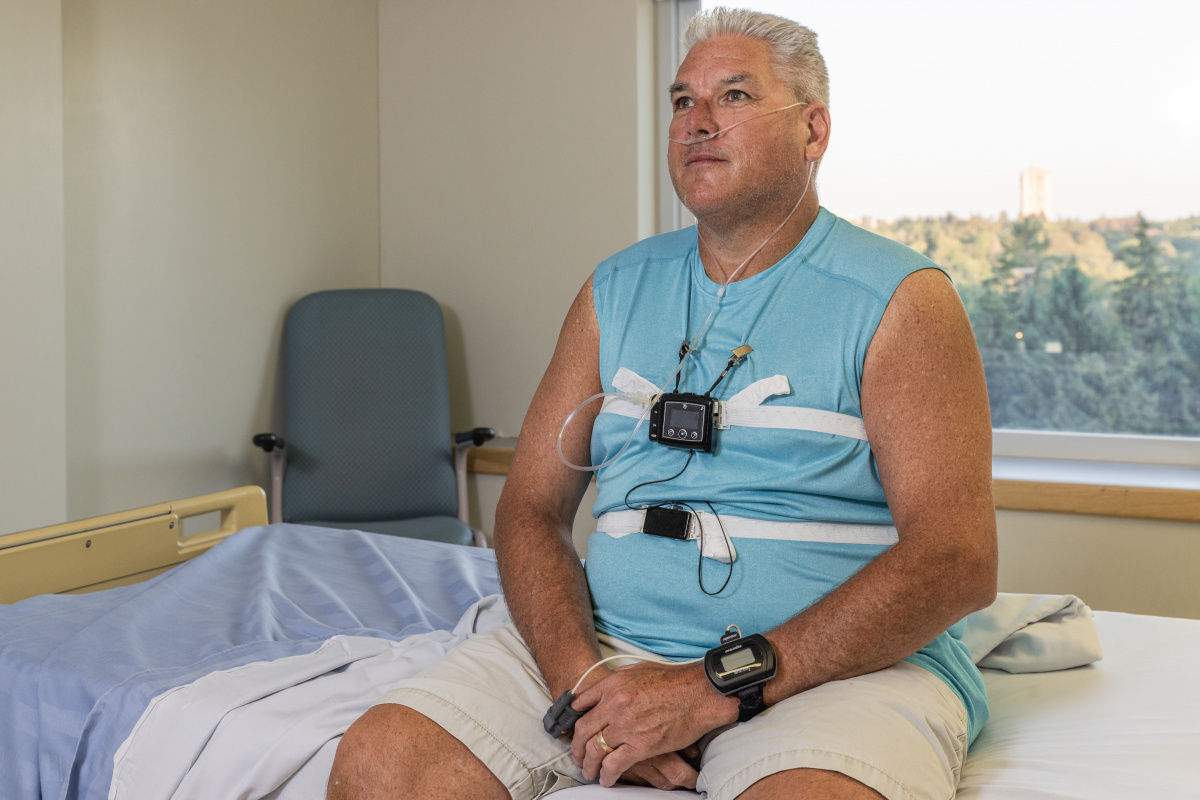
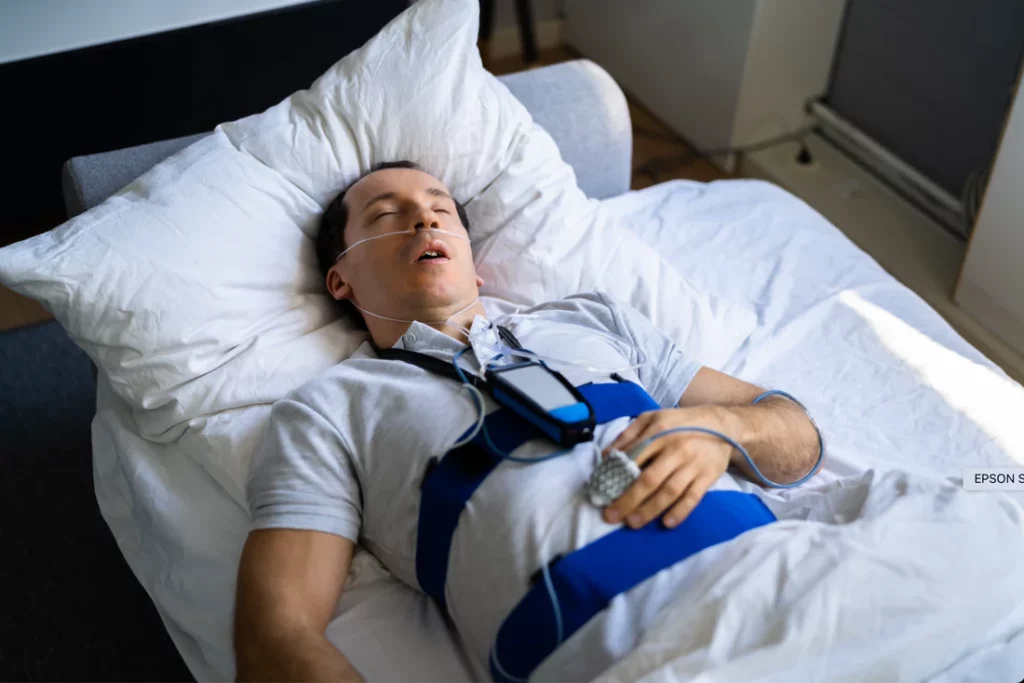
A home sleep study is usually used to investigate sleep-related breathing problems, especially obstructive sleep apnoea (OSA). It tracks signals like breathing, oxygen levels, heart rate, and airflow while they sleep in their own bed, then a qualified clinician interprets the results.
What is a home sleep study in Australia?
A home sleep test Australia is an at-home test that measures breathing and oxygen patterns overnight to assess suspected sleep-disordered breathing. It is typically arranged through a GP, sleep physician, or sleep clinic, and the results are reviewed by a trained professional.
For many people, it is a practical first step when symptoms point strongly to OSA, and comfort at home makes the night more “normal” than a lab setting.
Who should consider a home sleep study if they snore loudly?
They should consider a home sleep study if snoring is frequent, loud, and paired with choking, gasping, or witnessed pauses in breathing. Snoring alone can be harmless, but those extra signs often suggest airway obstruction during sleep.
If a partner reports long quiet gaps followed by snorts or gasps, that pattern is a classic reason to test rather than guess.
Who should consider a home sleep study if they wake up exhausted?
They should consider it if they regularly get “enough hours” yet still feel unrefreshed, groggy, or struggle to get going. Unrefreshing sleep can happen for many reasons, but OSA is a common and treatable one.
Morning headaches, dry mouth, and needing multiple alarms can also be clues that breathing is being disrupted overnight.
Who should consider a home sleep study because of daytime sleepiness?
They should consider it if they doze off easily during passive activities, feel drowsy while driving, or rely heavily on caffeine to function. Excessive daytime sleepiness is not just inconvenient; it can be a safety risk.
If they have ever nodded off at traffic lights or fought sleep on the highway, testing becomes a sensible, preventative move.
Who should consider a home sleep study if they have high blood pressure or heart risks?
They should consider it if they have hypertension, atrial fibrillation, stroke risk factors, or a strong family history of cardiovascular disease. Untreated OSA can strain the cardiovascular system through repeated oxygen drops and stress responses.
When blood pressure is hard to control despite medication, clinicians often look for sleep apnoea as a contributing factor.
Who should consider a home sleep study if they are overweight or have a large neck size?
They should consider it if they carry extra weight, especially around the abdomen or neck, since that can increase airway collapse during sleep. Not everyone with OSA is overweight, but the risk rises as weight increases.
If their collar size has crept up over time and snoring has worsened, a home study can clarify whether OSA is in the picture.
Who should consider a home sleep study if they have type 2 diabetes or metabolic issues?
They should consider it if they have type 2 diabetes, insulin resistance, fatty liver disease, or metabolic syndrome. Sleep apnoea and metabolic health often interact, and treating OSA can support better overall management.
If they are doing “all the right things” and still feel stuck with fatigue and poor energy, sleep testing can uncover a hidden barrier.
Who should consider a home sleep study during pregnancy?
They should consider it if pregnancy brings new loud snoring, breathing pauses, or significant daytime sleepiness, especially later in pregnancy. Physiological changes can increase the likelihood of sleep-disordered breathing.
They should raise symptoms with their GP or obstetric care team because sleep and oxygenation matter for both parent and baby.
Who should consider a home sleep study if they grind teeth, wake often, or feel anxious at night?
They should consider it if they wake repeatedly, feel their heart racing at night, or have unexplained nighttime panic-like episodes. Repeated arousals can sometimes be driven by breathing disturbances rather than purely stress or insomnia.
If they have been treated for insomnia but still wake abruptly, ruling out sleep apnoea is often a smart step. See bulk-billed sleep study eligibility in Australia for details on who can access Medicare-covered testing.
Who should consider a home sleep study if they have a safety-critical job?
They should consider it if they drive for work, operate machinery, work at heights, or have responsibilities where lapses in attention can cause harm. Sleepiness and microsleeps can be dangerous in these roles.
Many employers and clinicians take a proactive approach when symptoms and job risk overlap, because testing is simpler than managing a preventable incident.
Why might someone choose a home sleep study instead of an in-lab study?
They might choose a home study because it is convenient, familiar, and often faster to schedule. Sleeping at home can reduce “first-night effect” issues where people sleep poorly in a lab due to discomfort.
That said, in-lab polysomnography may be more appropriate when symptoms are complex or other sleep disorders are suspected, so the best option depends on clinical context.
What should they do if they think they need a home sleep study in Australia?
They should start by booking a GP appointment and describing symptoms clearly, including partner observations and daytime impacts. If appropriate, the GP may refer them to a sleep clinic or sleep physician for a home study pathway.
Before the appointment, it helps if they note snoring intensity, witnessed apnoeas, morning headaches, drowsy driving episodes, and existing conditions like hypertension or diabetes.
What happens after a home sleep study confirms sleep apnoea?
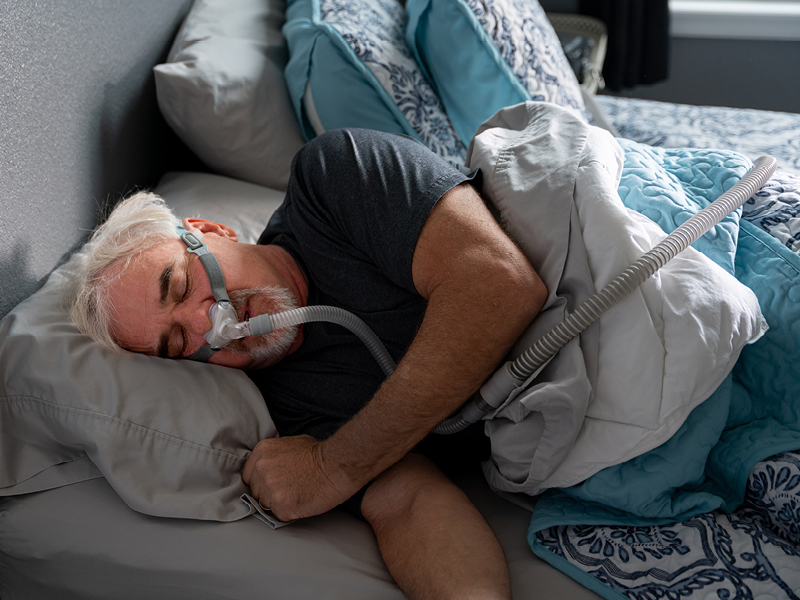
If OSA is confirmed, they will usually be offered treatment options based on severity and personal factors. Common pathways include CPAP therapy, mandibular advancement devices, weight and lifestyle support, positional therapy, and targeted ENT assessment when indicated.
The key benefit is clarity: once they know what is happening at night, they can treat the cause rather than coping with the symptoms.
FAQs (Frequently Asked Questions)
What is a home sleep study in Australia and how does it work?
A home sleep study in Australia is an at-home overnight test that measures breathing, oxygen levels, heart rate, and airflow to assess suspected sleep-disordered breathing such as obstructive sleep apnoea (OSA). It is arranged through a GP, sleep physician, or sleep clinic, allowing individuals to sleep in their own bed while a qualified clinician later interprets the results.
Who should consider a home sleep study if they snore loudly?
Individuals who experience frequent, loud snoring accompanied by choking, gasping, or witnessed pauses in breathing should consider a home sleep study. These signs often indicate airway obstruction during sleep and warrant investigation rather than ignoring the symptoms.
Why might someone with daytime sleepiness benefit from a home sleep study?
If someone feels drowsy during passive activities, struggles to stay awake while driving, or relies heavily on caffeine to function, they should consider a home sleep study. Excessive daytime sleepiness can be a safety risk and may indicate untreated obstructive sleep apnoea disrupting restful sleep.
How are high blood pressure and heart risks linked to the need for a home sleep study?
People with hypertension, atrial fibrillation, stroke risk factors, or a family history of cardiovascular disease should consider a home sleep study because untreated obstructive sleep apnoea can strain the cardiovascular system through repeated oxygen drops and stress responses. Sleep apnoea may contribute to difficulties controlling blood pressure despite medication.
What are the advantages of choosing a home sleep study over an in-lab study?
A home sleep study offers convenience, comfort by sleeping in one’s own bed, and often faster scheduling compared to an overnight hospital stay. It reduces issues like the “first-night effect” where unfamiliar lab settings disrupt normal sleep patterns. However, in-lab studies may be preferred for complex symptoms or other suspected sleep disorders.
What steps should I take if I think I need a home sleep study in Australia?
Start by booking an appointment with your GP and clearly describing your symptoms including snoring intensity, witnessed breathing pauses, morning headaches, daytime drowsiness, and any existing conditions like hypertension or diabetes. Your GP can then refer you to a sleep clinic or physician for assessment and potential home sleep testing.