
What Is a Comprehensive Sleep Test and Why Is It Important for Your Health?
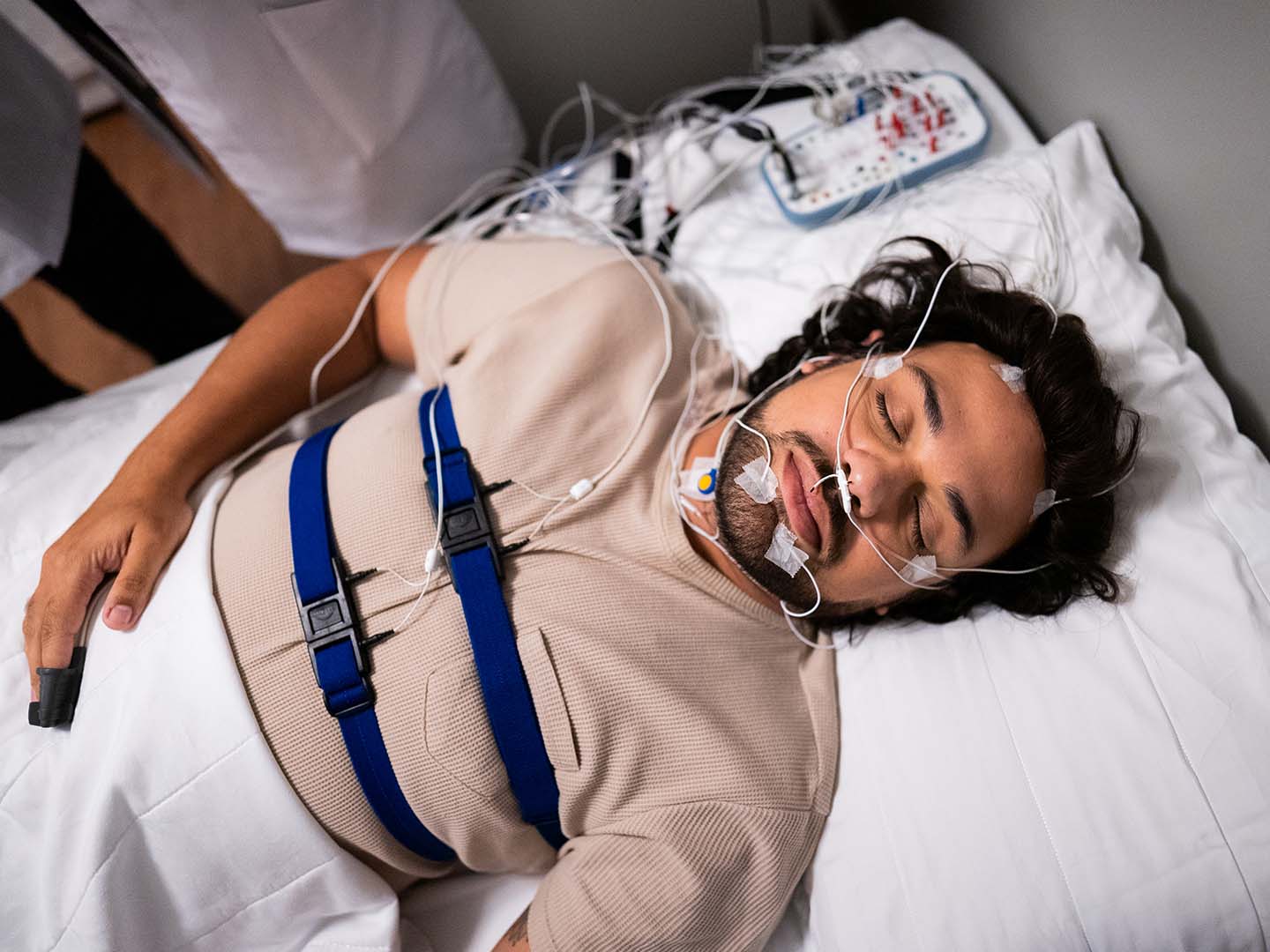
A comprehensive sleep test Melbourne services provide is a diagnostic assessment that monitors your sleep patterns, breathing, and body movements throughout the night to identify underlying sleep disorders. These tests serve as a window into your health, revealing conditions that may be silently affecting your wellbeing.
Sleep health assessment goes beyond simply tracking how long you sleep. The testing captures critical data about breathing interruptions, limb movements, and arousal patterns that often go unnoticed but significantly impact your physical health. When sleep disorders remain undiagnosed, they create cascading health problems including cardiovascular disease, hypertension, and metabolic dysfunction.
Sleep disorder diagnosis through comprehensive testing enables targeted treatment strategies. Rather than guessing at solutions, healthcare providers use concrete data to address specific issues—whether that’s obstructive sleep apnea, periodic limb movement disorder, or other conditions disrupting your rest. Early detection through proper testing prevents long-term complications and restores quality of life.
What Types of Sleep Disorders Can a Comprehensive Sleep Test in Melbourne Detect?
Comprehensive sleep test Melbourne identifies multiple conditions that disrupt your nightly rest. The most common diagnosis is obstructive sleep apnea, where throat muscles relax excessively during sleep, blocking your airway and causing repeated breathing pauses throughout the night.
Central sleep apnea differs significantly—your brain fails to send proper signals to breathing muscles, resulting in periods where you stop breathing entirely. This neurological condition requires different treatment approaches than its obstructive counterpart.
Upper airway resistance syndrome represents a milder form of breathing disruption. Your airway narrows without complete blockage, forcing your body to work harder to breathe and causing frequent sleep fragmentation.
Movement disorders also feature prominently in sleep test results:
- Periodic limb movement disorder causes involuntary leg jerks or twitches during sleep, often occurring every 20-40 seconds
- These movements trigger brief awakenings that prevent deep, restorative sleep
- Many patients remain unaware of these disturbances despite experiencing daytime fatigue
Breathing-related disorders carry serious cardiovascular risks. Repeated oxygen drops strain your heart and blood vessels, increasing stroke and heart disease probability. Movement disorders, while less immediately dangerous, severely compromise sleep quality and daily functioning. Detecting these conditions early allows targeted intervention before complications develop.
How Are Sleep Tests Conducted by Melbourne Services?
Melbourne services offer two primary testing formats: in-lab sleep study Melbourne options and home sleep study Melbourne alternatives. In-lab studies require overnight stays at specialized facilities with continuous technician monitoring, while home-based tests allow patients to sleep in their own beds using portable equipment.
Home sleep testing has gained preference among patients seeking comfort and convenience. Sleeping in familiar surroundings typically produces more natural sleep patterns, eliminating the “first-night effect” common in clinical settings. Patients maintain their regular bedtime routines without the stress of unfamiliar environments or attached wires restricting movement.
Technology Used in Home Sleep Studies
Melbourne providers utilize Level 2 technology for home studies, representing advanced portable sleep monitoring capabilities. This sophisticated equipment captures comprehensive data comparable to traditional lab studies:
- Breathing patterns – tracking airflow, respiratory effort, and oxygen saturation levels
- Leg movements – detecting periodic limb movements that disrupt sleep continuity
- Jaw movements – identifying bruxism (teeth grinding) and related muscle activity
- Heart rate variability – monitoring cardiovascular responses during sleep
- Body position – recording sleep positions that may worsen breathing issues
Setup and Data Recording Process
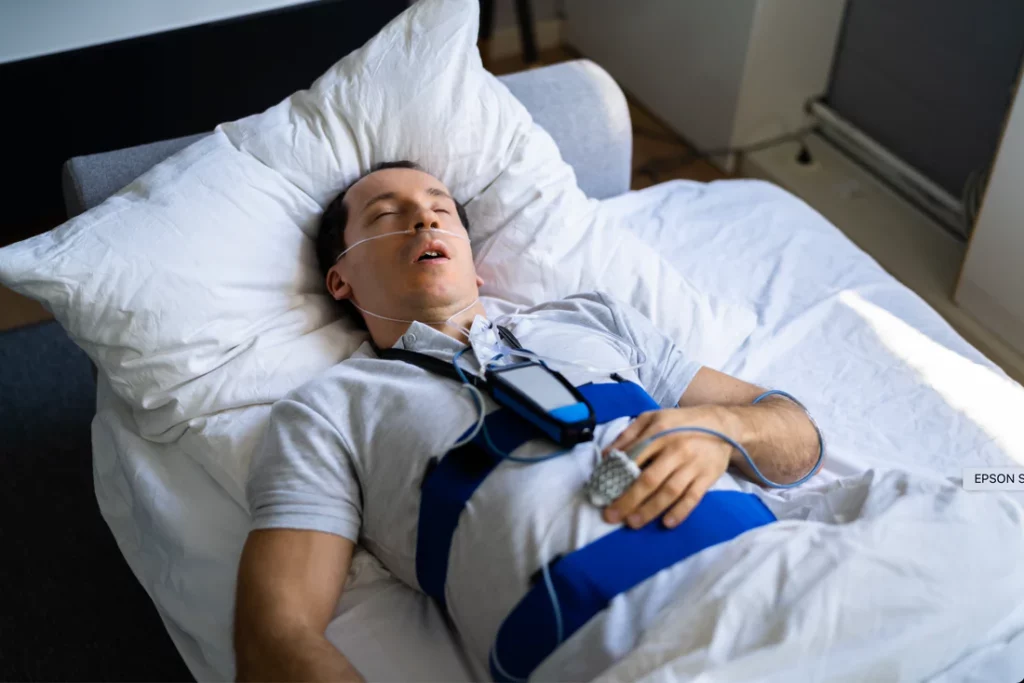
The portable devices attach easily with minimal setup required. Patients receive clear instructions for self-application, typically involving placing sensors on the chest, finger, and legs. Recording begins automatically once activated, capturing a full night’s worth of diagnostic data without requiring technical supervision.
Such home-based tests not only offer convenience but also yield reliable results. Studies have shown that these home sleep studies can provide a wealth of information about a patient’s sleep patterns and potential disorders, making them an invaluable tool in modern medicine.
What Key Metrics Do These Sleep Tests Provide and What Do They Mean?
Sleep tests generate four critical indices that reveal the severity of your sleep disturbances.
1. Apnea Hypopnea Index (AHI)
The Apnea Hypopnea Index (AHI) counts how many times per hour you stop breathing completely (apnea) or experience shallow breathing (hypopnea), with scores above 5 indicating sleep apnea.
2. Respiratory Disturbance Index (RDI)
The Respiratory Disturbance Index (RDI) provides a broader picture by including respiratory effort-related arousals alongside apneas and hypopneas. This metric captures upper airway resistance syndrome that the AHI might miss, making it particularly valuable for diagnosing milder breathing issues.
3. Periodic Limb Movement Index (PLMI)
Your Periodic Limb Movement Index (PLMI) tracks involuntary leg movements during sleep. A score exceeding 15 movements per hour suggests periodic limb movement disorder, which fragments sleep quality even when you’re unaware of the disruptions.
4. Arousal Index
The Arousal Index measures how many times you wake up each hour, even briefly. What a comprehensive sleep test Melbourne services offer can tell you about your health becomes clear through this metric—frequent awakenings above 15 per hour signal serious sleep problems demanding immediate treatment. These micro-awakenings prevent you from reaching restorative deep sleep stages, leaving you exhausted despite spending adequate time in bed.
Each index uses standardized severity scales:
- Mild: 5-15 events per hour
- Moderate: 15-30 events per hour
- Severe: 30+ events per hour
How Can Results From a Sleep Test Influence Treatment Decisions?
Your test results directly determine which treatment path your healthcare provider will recommend. The severity indicated by your AHI and other metrics guides whether you need conservative management or more intensive intervention.
Treatment for Mild to Moderate Obstructive Sleep Apnea
Mild to moderate obstructive sleep apnea (AHI between 5-30) often responds well to mandibular advancement splints. These custom-fitted dental devices reposition your lower jaw forward during sleep, keeping your airway open. Dentists specially trained in sleep medicine create these splints to ensure proper fit and effectiveness.
Treatment for Moderate to Severe Obstructive Sleep Apnea
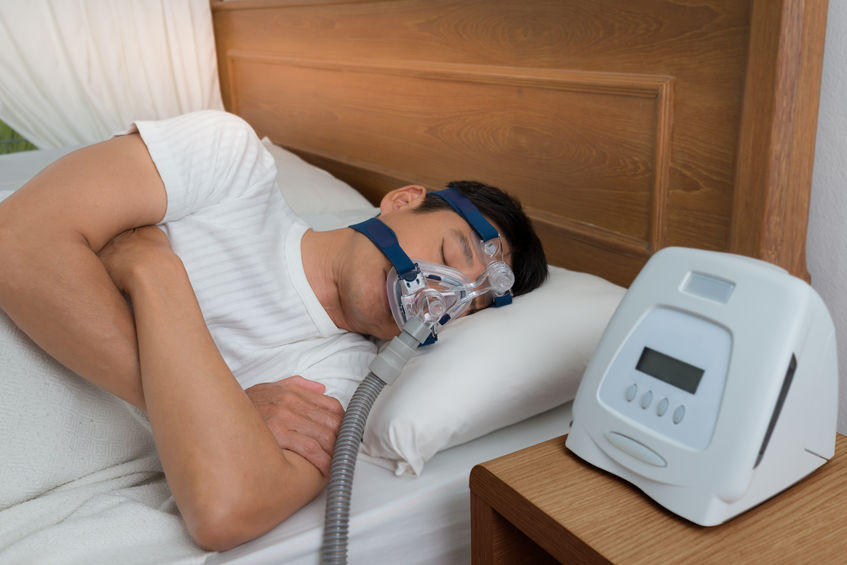
CPAP therapy becomes the standard treatment for moderate to severe cases (AHI above 30). This therapy delivers continuous pressurized air through a mask, preventing airway collapse throughout the night. Many Melbourne services can initiate CPAP treatment immediately after diagnosis, with next-day results enabling rapid intervention.
Treatment for Periodic Limb Movement Disorder and Restless Leg Syndrome
Periodic limb movement disorder and restless leg syndrome treatment takes a multi-faceted approach:
- Lifestyle modifications including regular exercise and sleep schedule consistency
- Dietary adjustments reducing caffeine and alcohol intake
- Magnesium supplements to address potential deficiencies affecting muscle function
- Prescription medications when conservative measures prove insufficient
Your PLMI score helps determine whether medication is necessary or if lifestyle changes alone might resolve symptoms. Blood tests may accompany treatment planning to identify underlying deficiencies contributing to movement disorders.
What Makes Melbourne’s Sleep Testing Services Patient-Friendly?
Melbourne’s sleep testing services prioritize convenience through next-day result availability, allowing patients to begin treatment immediately after diagnosis. This rapid turnaround eliminates the anxiety of waiting weeks for answers and enables healthcare providers to address sleep disorders before they worsen.
The testing process integrates seamlessly into daily life. Home-based studies let patients sleep in their own beds, maintain work schedules, and continue regular activities while wearing monitoring equipment. The minimally disruptive testing process removes the stress of overnight hospital stays and unfamiliar environments that can affect natural sleep patterns.
Specialized diagnostic features enhance the service’s comprehensiveness:
- Audio-video recording for REM behavior disorder captures physical movements and vocalizations during sleep
- Visual documentation helps clinicians identify complex parasomnias that standard metrics might miss
- Optional recording provides detailed evidence for conditions requiring behavioral analysis
The combination of advanced technology, flexible testing locations, and rapid reporting creates a patient-centered experience that encourages people to seek diagnosis rather than ignore persistent sleep problems.
How Affordable and Accessible Are Comprehensive Sleep Tests in Melbourne?
What does a home sleep study cost in Melbourne after Medicare rebates?
Home sleep studies in Melbourne typically cost around $265 after Medicare rebates, making comprehensive sleep testing financially accessible for most patients. This reduced out-of-pocket expense removes a significant barrier to diagnosis and treatment.
How do you obtain a referral for sleep testing?
The process begins with a referral from general practitioners, which can be arranged directly through Melbourne sleep services. Your GP assesses your symptoms and coordinates the referral, streamlining access to testing without lengthy waiting periods or complex approval processes.
Why does home testing improve patient participation?
Home-based testing options have dramatically increased patient uptake by eliminating hospital visits and overnight stays. Patients sleep in their own beds using portable Level 2 technology, reducing anxiety and scheduling conflicts. This convenience particularly benefits:
- Shift workers with irregular schedules
- Parents with childcare responsibilities
- Individuals with mobility limitations
- Patients uncomfortable in clinical settings
The combination of affordable pricing and flexible home testing makes comprehensive sleep assessment achievable for a broader population across Melbourne. You may like to visit https://us-tip.com/sleep-study-sydney-what-residents-should-know-before-booking-an-assessment/ to get what residents should know before booking an assessment.
Why Is Getting a Comprehensive Sleep Test Important for Overall Health?
Untreated sleep disorders can lead to serious health problems that go beyond just feeling tired. Research shows that conditions like obstructive sleep apnea, which often go undiagnosed, can increase the risk of high blood pressure. This is particularly concerning as high blood pressure puts strain on the cardiovascular system due to repeated breathing interruptions during sleep.
The link between sleep disorders and heart disease is alarming. Patients with severe untreated sleep apnea are at a higher risk of:
- Stroke caused by lack of oxygen and spikes in blood pressure
- Heart disease resulting from chronic strain on the heart
- Irregular heart rhythms and increased inflammation
Moreover, the effects of sleep deprivation on the heart can exacerbate these risks. Comprehensive testing helps identify these issues early on, before they turn into major complications. By using objective measurements to pinpoint sleep disturbances, medical professionals can provide targeted treatments that safeguard long-term health. Patients who receive accurate diagnoses and effective management often experience significant improvements in their energy levels, cognitive abilities, and emotional wellbeing—leading to a better quality of life and a lower risk of life-threatening conditions.
Are You Ready to Take Control of Your Sleep Health with a Comprehensive Test in Melbourne?
Taking action on your sleep health starts with understanding what’s happening while you rest. A comprehensive sleep assessment benefits Melbourne residents by providing clear answers about conditions that might be silently affecting your cardiovascular system, cognitive function, and daily energy levels.
The accessibility of home-based testing removes common barriers—no hospital stays, no disruption to your routine, and affordable costs around $265 after Medicare rebates. What a Comprehensive Sleep Test Melbourne Services Offer Can Tell You About Your Health extends beyond simple diagnosis; it opens the door to targeted treatments that can prevent serious complications like stroke and heart disease.
If you’re experiencing daytime fatigue, loud snoring, or restless sleep, speaking with your GP about a referral could be your first step toward reclaiming restorative sleep and protecting your long-term health.