
What Are Home Oxygen Machines and Who Needs Them?
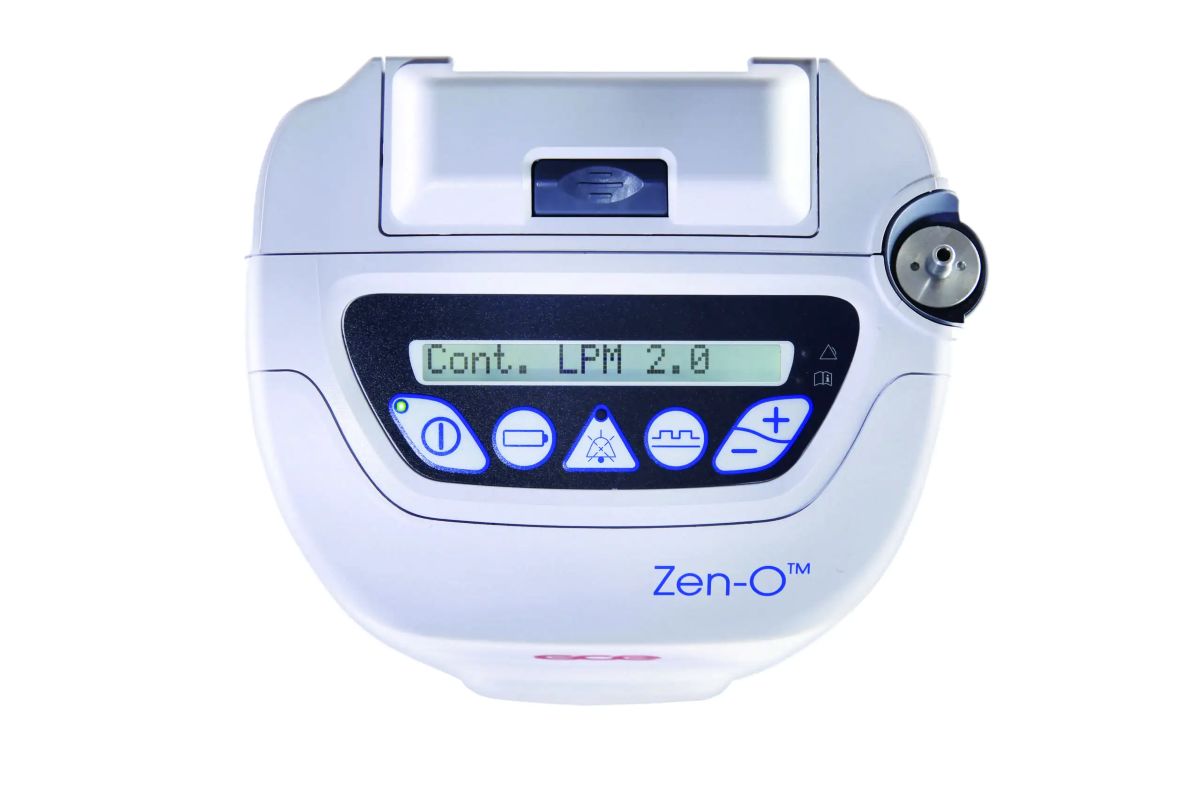
An Oxygen Machine for Home Use is a medical device designed to deliver concentrated oxygen to individuals whose lungs cannot absorb enough oxygen naturally. This type of Oxygen Machine for Home Use works by extracting oxygen from room air or storing compressed oxygen, then delivering it through a nasal cannula or face mask to help raise blood oxygen levels safely and consistently.
For individuals with respiratory conditions, using an Oxygen machine for home use is essential for maintaining adequate oxygen saturation needed for organ function and everyday activities. When blood oxygen levels drop below the healthy range (typically 88–92%), the body’s cells struggle to perform vital functions, leading to fatigue, confusion, shortness of breath, and an increased risk of long-term organ damage.
How Do These Machines Improve Quality of Life?
Supplemental oxygen therapy addresses this deficiency directly. By raising blood oxygen levels to therapeutic ranges, patients often experience:
- Reduced breathlessness during rest and physical activity
- Improved sleep quality and energy levels
- Enhanced mental clarity and concentration
- Greater ability to perform daily tasks independently
- Decreased strain on the heart and other vital organs
Which Health Conditions Require Oxygen Therapy?
Several respiratory and cardiovascular conditions can compromise the body’s ability to maintain healthy oxygen levels:
Chronic Obstructive Pulmonary Disease (COPD) represents the most common reason for home oxygen therapy. This progressive lung disease, which includes chronic bronchitis and emphysema, damages airways and reduces oxygen absorption capacity.
Emphysema specifically destroys the air sacs in the lungs, limiting the surface area available for oxygen exchange. Patients with advanced emphysema often require continuous oxygen supplementation.
Pulmonary fibrosis causes scarring of lung tissue, creating a barrier that prevents oxygen from passing into the bloodstream efficiently. This condition typically worsens over time, increasing oxygen requirements.
Additional conditions warranting home oxygen machines include:
- Severe asthma with persistent low oxygen saturation
- Pneumonia causing temporary oxygen deficiency
- Heart failure affecting lung fluid balance
- Pulmonary hypertension
- Cystic fibrosis
- Lung cancer
- Sleep apnoea (in specific cases)
The decision to prescribe home oxygen therapy depends on documented low oxygen saturation levels, typically measured through pulse oximetry or arterial blood gas analysis.
What Types of Oxygen Machines Are Available for Home Use?
Home oxygen therapy relies on two main categories of equipment: oxygen concentrators and oxygen cylinders. Each type serves distinct purposes and offers unique advantages depending on your medical needs and lifestyle requirements.
Oxygen Concentrators
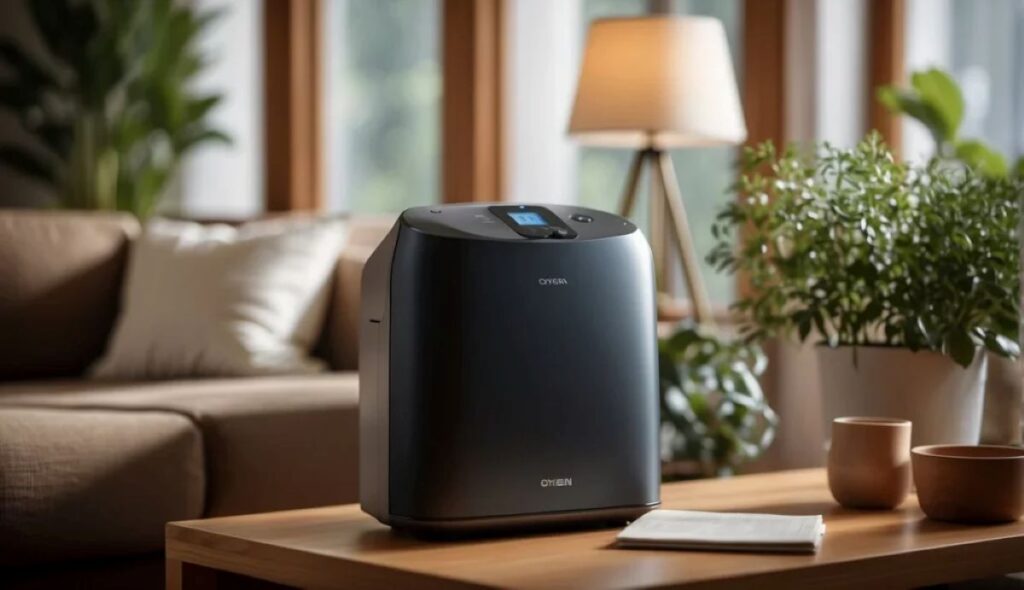
Stationary concentrators are the workhorses of home oxygen therapy. These devices plug into electrical outlets and continuously extract oxygen from ambient air, concentrating it to therapeutic levels before delivering it through nasal cannulas or face masks. Stationary units typically weigh between 15-30 kilograms and remain in one location within your home. They’re ideal for patients who spend most of their time indoors and require consistent, long-term oxygen therapy. These machines can run 24 hours a day without needing refills, making them cost-effective for continuous use.
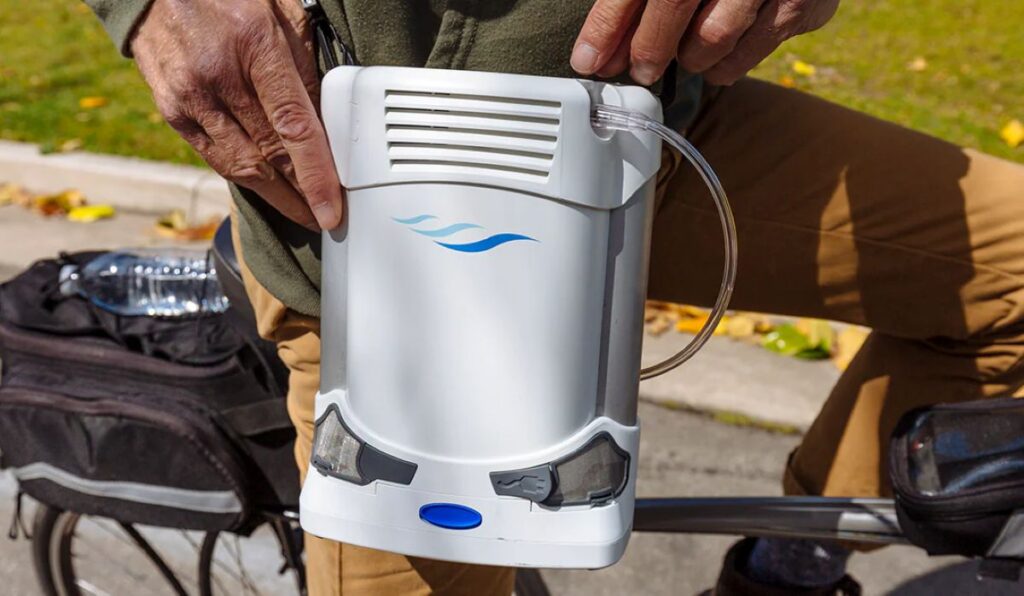
Portable oxygen concentrators revolutionise mobility for oxygen users. These battery-powered devices weigh between 2-7 kilograms and allow you to maintain your active lifestyle whilst receiving prescribed oxygen therapy. Modern portable units use pulse-dose delivery systems that detect your breathing pattern and deliver oxygen only during inhalation, maximising battery efficiency. Some models offer continuous flow options for patients requiring uninterrupted oxygen delivery. Portable concentrators are perfect for shopping trips, social visits, and outdoor activities.
Oxygen Cylinders
Large oxygen cylinders serve as backup systems or short-term oxygen sources. These pressurised metal tanks store compressed oxygen gas and don’t require electricity, making them invaluable during power outages. Standard home cylinders stand approximately 1.2 metres tall and contain enough oxygen for several hours of use at typical flow rates. Medical suppliers regularly exchange empty cylinders for full ones, ensuring you maintain an adequate supply.
Portable oxygen cylinders provide ambulatory oxygen for brief outings. These smaller tanks weigh between 1-5 kilograms and fit easily into shoulder bags or backpack carriers. Portable cylinders typically last 2-6 hours depending on your prescribed flow rate and the tank’s capacity. They’re particularly useful for patients who need backup oxygen during short errands or as a supplement to portable concentrators.
Choosing Between Equipment Types
Your choice depends on several practical considerations:
- Lifestyle factors: Consider how much time you spend at home versus out and about. If you’re mostly indoors, a stationary concentrator may be sufficient. However, if you lead an active life with regular outings, investing in a portable option could be beneficial.
- Duration of therapy: Think about the length of time you’ll require oxygen therapy. For long-term needs, stationary units offer convenience and cost-effectiveness since they don’t require frequent refills.
- Backup solutions: Assess whether you have reliable backup systems in place during power outages or emergencies. Large cylinders can serve as backups when electricity isn’t available.
- Supplemental support: If you’re already using a portable concentrator but occasionally need additional oxygen supply during specific activities (like travel), having portable cylinders on hand can provide peace of mind.
By considering these factors alongside your medical recommendations, you’ll be better equipped to choose the right combination of equipment that suits both your health requirements and lifestyle preferences.
How to Get a Home Oxygen Machine
To get a home oxygen machine, you need a doctor’s prescription after a thorough medical evaluation. Healthcare professionals must confirm the medical necessity before any equipment can be provided, ensuring patients receive suitable oxygen therapy tailored to their specific condition.
The process starts with your GP or respiratory specialist assessing your symptoms and medical history. They look at your breathing difficulties, fatigue levels, and how these symptoms affect your daily activities. This initial consultation will determine if supplemental oxygen could help your condition.
What Medical Tests Confirm the Need for Oxygen Therapy?
Blood oxygen tests are essential for assessing the need for oxygen therapy. Pulse oximetry is a quick and non-invasive way to measure the oxygen saturation levels in your blood. A small device is clipped onto your fingertip, and it shows your SpO2 reading within seconds. If readings consistently fall below 88-92%, it usually means you need supplemental oxygen.
Arterial blood gas (ABG) analysis provides more detailed information about the levels of oxygen and carbon dioxide in your bloodstream. This test involves taking blood from an artery, usually in your wrist. The results of the ABG test give precise measurements that help doctors decide on the right oxygen flow rate and duration of therapy required. Visit https://www.rcpa.edu.au/Manuals/RCPA-Manual/Pathology-Tests/B/Blood-gas-arterial to get more about blood gas arterial.
Which Additional Assessments Determine Oxygen Requirements?
Exercise tolerance tests show how your oxygen levels respond to physical activity. During this test, your healthcare provider will monitor your blood oxygen saturation while you walk on a treadmill or do specific exercises. These tests help identify whether you need oxygen during exertion, at rest, or both.
Sleep studies may be recommended if you have trouble breathing while sleeping. Overnight monitoring will track your oxygen levels, breathing patterns, and heart rate as you sleep. Many patients require oxygen therapy specifically during sleep hours when their breathing naturally becomes shallower.
Lung function tests measure how well your lungs are working. Spirometry is used to assess the volume and speed of air that you can inhale and exhale. These measurements assist doctors in understanding the severity of your respiratory condition and predicting your need for oxygen therapy.
How Do Doctors Prescribe Oxygen Therapy?
Your prescription will specify the oxygen flow rate measured in litres per minute (LPM). For home use, flow rates typically range from 0.5 to 5 LPM, although some conditions may require higher rates. The prescription will also indicate when you should use oxygen: continuously, during activity.
What Safety Precautions Should Users Follow When Using Oxygen Machines at Home?
Oxygen is a highly reactive gas that accelerates combustion, making fire safety the most critical concern for home oxygen users. While oxygen itself doesn’t burn, it causes other materials to ignite more easily and burn much faster than they would in normal air. Users must maintain a minimum distance of three metres from any open flames, including candles, gas hobs, fireplaces, and cigarettes.
Essential Fire Safety Measures
Never smoke or allow others to smoke anywhere near oxygen equipment. Even a small spark can cause serious burns or start a fire when oxygen is present. The same rule applies to:
- Gas cookers and hobs
- Wood-burning stoves
- Incense and oil burners
- Birthday candles
- Matches and lighters
Install smoke detectors in rooms where oxygen equipment is used. Test these alarms monthly and replace batteries according to manufacturer guidelines. Some users find it helpful to inform their local fire service about oxygen use at home, as this information can be valuable during emergency responses.
Proper Ventilation Requirements
Adequate room ventilation prevents oxygen concentration from building up to dangerous levels. Keep windows slightly open when using oxygen equipment, particularly in smaller rooms. Oxygen machines should never operate in enclosed spaces like cupboards or small bathrooms without proper airflow.
Position the oxygen concentrator at least 15 centimetres away from walls, curtains, and furniture to allow proper air circulation around the device. This spacing also prevents the machine from overheating, which could pose additional safety risks.
Storage and Handling Guidelines
Store oxygen cylinders upright and secured with chains or straps to prevent them from falling. A falling cylinder can become a dangerous projectile if the valve breaks off. Keep cylinders away from direct sunlight and heat sources, as high temperatures can increase internal pressure to unsafe levels.
Avoid using petroleum-based products on your face, hands, or near oxygen equipment. This includes:
- Petroleum jelly (Vaseline)
- Oil-based moisturisers
- Aerosol sprays
- Alcohol-based hand sanitisers near the cannula
Water-based products are safe alternatives that won’t create fire hazards when combined with supplemental oxygen.
How Should Patients Maintain Their Home Oxygen Equipment?
Regular maintenance keeps oxygen equipment functioning properly and extends its lifespan. Patients should establish a weekly cleaning routine for all components that come into direct contact with their face or airways.
Weekly Cleaning Tasks
Nasal cannulas and face masks require thorough cleaning at least once a week. Wash these items in warm water with mild washing-up liquid, rinse completely to remove all soap residue, and allow them to air dry on a clean towel. Replace cannulas every two weeks or sooner if they become stiff, discoloured, or damaged.
Oxygen tubing should be inspected weekly for cracks, kinks, or blockages. Wipe down the exterior with a damp cloth to remove dust. Replace tubing every two months or immediately if you notice any damage that could affect oxygen flow.
Monthly Equipment Checks
The air intake filter on oxygen concentrators needs monthly attention. Remove the filter according to the manufacturer’s instructions and wash it in warm, soapy water. Squeeze gently to remove excess water and let it dry completely before reinstalling. Never operate the concentrator without a filter in place, as this allows dust and particles to enter the machine.
Check all connection points monthly to ensure secure fittings. Loose connections can lead to oxygen leaks and reduced therapy effectiveness. Listen for hissing sounds that might indicate air escaping from joints.
Daily Maintenance Habits
Wipe down the exterior surfaces of your concentrator daily with a slightly damp cloth. Keep the device free from dust accumulation, which can block vents and cause overheating.
Inspect your equipment each day for any unusual sounds, error messages, or changes in oxygen flow. Report these issues to your supplier immediately rather than attempting repairs yourself.
Storage and Environment
Position your oxygen equipment on a hard, flat surface away from walls, curtains, and furniture. Leave at least 15 centimetres of clearance on all sides to ensure proper ventilation and prevent overheating.
Store backup supplies in a cool, dry location away from direct sunlight. Keep spare cannulas, tubing, and filters in sealed bags to maintain cleanliness until needed.
Professional Servicing
Schedule annual professional servicing for your oxygen equipment as recommended by the manufacturer or your healthcare provider. Trained technicians can perform thorough inspections and address any potential issues that may arise over time.
What Considerations Are Important When Choosing an Oxygen Machine?
Selecting the right oxygen machine depends primarily on your prescribed oxygen therapy requirements and daily lifestyle patterns. Your doctor will specify the exact flow rate requirements you need, typically measured in litres per minute (LPM), which directly determines which machines can adequately support your treatment.
Does Your Prescribed Flow Rate Limit Your Options?
Your prescribed flow rate is the most critical factor in equipment selection. Portable oxygen concentrators typically deliver 1-5 LPM on continuous flow settings, whilst pulse dose models provide oxygen only during inhalation. Stationary concentrators can deliver higher flow rates, often up to 10 LPM, making them suitable for patients requiring more substantial oxygen support. If your prescription exceeds 5 LPM, you’ll likely need a stationary unit for home use.
How Active Is Your Lifestyle?
Portability needs vary dramatically based on your daily activities and mobility level. Patients who remain primarily at home may find stationary concentrators perfectly adequate, whilst those who work, travel, or maintain active social lives require portable solutions. Consider whether you need equipment for:
- Daily errands and shopping trips
- Social visits and family gatherings
- Employment or volunteer activities
- Exercise or rehabilitation programmes
- Extended travel or holidays
What Physical Specifications Matter?
The weight and dimensions of portable units significantly impact usability. Devices range from 2 kg to over 7 kg, with lighter models offering easier carrying but potentially shorter battery life. Patients with limited strength or mobility conditions should prioritise lighter units, even if this means sacrificing some battery capacity or features.
How Important Is Noise Level?
Oxygen concentrators produce varying sound levels during operation, typically between 40-60 decibels. Quieter models (under 45 decibels) prove essential for patients who:
- Use oxygen whilst sleeping
- Attend social gatherings or public venues
- Live in shared accommodation
- Work in quiet office environments
- Have sensitivity to background noise
What Power Options Do You Need?
Battery life becomes crucial for portable units, with most offering 2-8 hours of operation depending on flow settings. Evaluate your typical time away from power sources and whether you need:
See Also : 5 Essential Tips for Purchasing CPAP Machines Online Safely
How Can Patients Travel Safely with Their Home Oxygen Machine?
Travel planning with oxygen equipment demands advance preparation and coordination with multiple parties. Patients using home oxygen therapy can maintain their mobility and independence through careful organisation, whether travelling domestically or internationally.
Consulting Your Healthcare Provider Before Travel
Medical clearance forms the foundation of safe travel with oxygen equipment. Your doctor should assess your current oxygen needs, as altitude changes and physical exertion during travel may require adjustments to your prescribed flow rate. Request a letter detailing your medical condition, oxygen prescription, and equipment specifications—airlines and accommodation providers often require this documentation.
Coordinating with Your Oxygen Supplier
Contact your oxygen supplier at least two to four weeks before departure. Suppliers can arrange equipment delivery to your destination, provide backup devices, and offer guidance on local support services. Many suppliers maintain networks with providers in other regions, ensuring continuity of care throughout your journey.
For extended trips, confirm:
- Equipment availability at your destination
- Delivery schedules and collection arrangements
- Emergency contact numbers for technical support
- Backup power solutions if travelling to areas with unreliable electricity
Understanding Airline Regulations for Oxygen Equipment
Air travel with oxygen concentrators requires adherence to specific airline policies. Most carriers permit CAA-approved portable oxygen concentrators (POCs) in the cabin, but each airline maintains distinct requirements. Contact your airline directly 48 to 72 hours before departure to:
- Verify your POC model meets their approval standards
- Submit required medical documentation
- Arrange for additional batteries (most airlines allow enough for 150% of flight duration)
- Confirm seating arrangements that accommodate oxygen equipment
Oxygen cylinders are typically prohibited on commercial flights due to safety regulations. POCs represent the only viable option for air travel.
Preparing Equipment for the Journey
Battery management becomes critical during travel. Charge all batteries fully before departure and carry spares in your hand luggage. Pack essential accessories including:
- Nasal cannulas and backup tubing
- Power adapters compatible with destination electrical outlets
- Extension cords for reaching power sources in hotel rooms
- Cleaning supplies for maintaining equipment hygiene
- User manual and troubleshooting guide
Protective carrying cases prevent damage during transit. Label your equipment clearly with contact information and “medical”.
Are There Financial Support Options for Obtaining Home Oxygen Therapy?
Can government programmes help cover oxygen therapy costs? Yes, several public health programmes offer financial assistance for home oxygen therapy, though availability varies significantly by country and region. Patients should investigate their local healthcare system’s provisions, as some nations provide comprehensive coverage whilst others offer limited support.
United Kingdom Support Systems
The NHS provides home oxygen therapy at no direct cost to patients who meet clinical criteria. Assessment through NHS oxygen services determines eligibility, and approved patients receive equipment, delivery, and ongoing support without out-of-pocket expenses. Patients simply need a referral from their GP or respiratory specialist to access this service.
Australian Government Programmes
Australia’s Home Oxygen Programme operates through state and territory health departments. Eligible patients receive subsidised or fully funded oxygen equipment and consumables. Each state administers the programme differently, so patients must contact their local health authority to understand specific eligibility requirements and application processes.
United States Medicare Coverage
Medicare Part B covers home oxygen equipment and supplies when deemed medically necessary. Patients must have a prescription and meet specific blood oxygen level criteria. The programme typically covers 80% of approved costs after the deductible, with patients responsible for the remaining 20%.
Private Insurance and Alternative Options
Many private health insurance policies exclude oxygen therapy equipment from coverage. Patients should:
- Review their policy documents carefully for respiratory equipment provisions
- Contact their insurer directly to clarify coverage details
- Request written confirmation of any coverage or exclusions
Rental vs. Purchase Considerations
Healthcare suppliers often offer both rental and purchase options. Rental agreements may include:
- Regular maintenance and equipment servicing
- Replacement of faulty devices
- Delivery of consumables like tubing and cannulas
- 24/7 technical support
Purchase options typically suit long-term users who prefer ownership, though upfront costs are substantially higher.
Charitable Organisations and Support Groups
Patient advocacy groups and respiratory disease charities sometimes provide financial assistance or equipment loans. The British Lung Foundation, American Lung Association, and similar organisations maintain resources about financial aid programmes. Local respiratory support groups can share information about regional assistance schemes.
Payment Plans and Financial Hardship Programmes
Medical equipment suppliers frequently offer payment plans for patients without adequate insurance coverage. Many companies also operate hardship programmes for
FAQs (Frequently Asked Questions)
What are home oxygen machines and who typically needs them?
Home oxygen machines are medical devices designed to provide supplemental oxygen to individuals with respiratory conditions such as COPD, emphysema, pulmonary fibrosis, or those experiencing low oxygen saturation. These machines help improve blood oxygen levels and enhance quality of life for patients requiring oxygen therapy at home.
What types of oxygen machines are available for home use?
There are several types of home oxygen equipment including stationary oxygen concentrators, portable oxygen concentrators, and oxygen cylinders (both large and portable). Stationary concentrators are ideal for home use due to their continuous supply, while portable devices offer mobility for active lifestyles. Oxygen cylinders provide stored oxygen but require regular refilling.
How can one obtain a home oxygen machine?
Obtaining a home oxygen machine requires a medical assessment by a healthcare professional who will perform tests such as blood oxygen saturation measurements. A doctor’s prescription is essential to determine the need for supplemental oxygen and to specify the appropriate flow rate and device type.
What safety precautions should users follow when using home oxygen machines?
Users should ensure adequate room ventilation when using oxygen machines and keep devices away from open flames, heat sources, or flammable materials to prevent fire hazards. Following manufacturer guidelines and regular safety checks are crucial for safe home oxygen therapy.
How should patients maintain their home oxygen equipment?
Routine maintenance includes cleaning filters regularly, inspecting tubing for damage, ensuring the machine is functioning properly, and following the manufacturer’s instructions. Proper maintenance ensures optimal performance and longevity of the home oxygen equipment.
What factors should be considered when choosing an appropriate home oxygen machine?
Important considerations include prescribed flow rate requirements from your healthcare provider and your lifestyle needs such as portability for travel or daily activities. Selecting the right device balances medical necessity with convenience and usability to support effective oxygen therapy.