

What Is a Sleep Study and Why Is It Conducted?
What exactly is a sleep study? A sleep study is a comprehensive diagnostic test that monitors your body’s activity throughout the night to identify sleep-related problems. Medical professionals use this non-invasive assessment to observe how your body functions during sleep, capturing data on brain waves, breathing patterns, heart rhythm, and physical movements.
A Sleep Study Sydney is designed to diagnose conditions that disrupt normal sleep architecture. Many Sydney residents experience symptoms like chronic snoring, excessive daytime fatigue, or breathing interruptions during sleep without understanding the underlying cause. These diagnostic tests provide objective data that helps sleep specialists develop targeted treatment plans.
Which sleep disorders can a Sleep Study Sydney detect?
Sleep studies are highly effective at identifying a wide range of conditions that affect sleep quality and overall health. The most commonly diagnosed disorders include:
- Obstructive Sleep Apnea (OSA): Repeated breathing interruptions during sleep caused by airway blockage
- Central Sleep Apnea: When the brain fails to send proper signals to the muscles controlling breathing
- Insomnia: Ongoing difficulty falling or staying asleep despite adequate opportunity
- Restless Legs Syndrome: Uncomfortable leg sensations that create an overwhelming urge to move
- Narcolepsy: Excessive daytime sleepiness and sudden sleep attacks due to a neurological disorder
- Periodic Limb Movement Disorder: Repetitive cramping or jerking of the legs during sleep
- REM Sleep Behavior Disorder: Acting out vivid dreams during REM sleep, sometimes aggressively
Why is polysomnography considered the gold standard?
Polysomnography is the most comprehensive and accurate diagnostic method for sleep disorders. This advanced test records multiple physiological parameters throughout the night, creating a complete and detailed picture of what happens while you sleep.
During polysomnography, specialized sensors attach to various points on your body. These sensors track:
- Brain activity (EEG): Electrodes placed on the scalp measure electrical signals to identify sleep stages
- Eye movements (EOG): Sensors near the eyes detect rapid eye movement and other ocular activity
Where Can Residents in Sydney Get a Sleep Study?
Residents of Sydney have several options when it comes to getting a sleep study done. There are specialized sleep clinics in the area that offer comprehensive diagnostic services. Two of the leading facilities in Sydney are the Sydney Sleep Centre and Woolcock Clinic. These clinics are known for their advanced technology and experienced professionals in the field of sleep medicine.
Services Available at Sydney Sleep Clinics
Specialized sleep facilities provide more than just overnight monitoring. Patients can access:
- Initial consultations with sleep specialists who review medical history and symptoms
- Diagnostic testing including polysomnography, multiple sleep latency tests, and maintenance of wakefulness tests
- Home sleep apnea testing for patients who prefer or require at-home monitoring
- CPAP therapy fitting and ongoing support for sleep apnea patients
- Cognitive behavioral therapy for insomnia delivered by trained sleep psychologists
- Follow-up care to monitor treatment effectiveness and adjust therapies
Many clinics also offer specialized programs for specific populations, such as pediatric sleep services for children experiencing sleep difficulties or programs tailored to shift workers struggling with circadian rhythm disorders.
Selecting an Accredited Sleep Clinic
Choosing the right facility significantly impacts diagnostic accuracy and treatment outcomes. Accredited clinics meet rigorous standards set by professional bodies such as the Australasian Sleep Association. These facilities undergo regular audits to ensure their equipment, procedures, and staff qualifications remain current.
It’s important to consider accreditation when selecting a sleep clinic. This ensures that you will receive care from a facility that meets high standards of quality and professionalism.
Additional Factors to Consider
In addition to accreditation, there are other factors you may want to consider when choosing a sleep clinic:
- Location: Look for clinics that are conveniently located near your home or workplace.
- Specializations: If you have a specific sleep disorder or condition, check if the clinic has experience in treating it.
- Reviews and Testimonials: Read reviews from previous patients to get an idea of their experiences with the clinic.
- Insurance Coverage: If you have health insurance, verify if the clinic accepts your insurance plan.
By taking these factors into account, you can make an informed decision about which sleep clinic is right for you.
How Do Residents Book a Sleep Study in Sydney?
Why Is a GP Referral Required?
A GP referral for sleep study is mandatory for accessing sleep assessment services in Sydney. General practitioners serve as the first point of contact for patients experiencing sleep-related symptoms, and they determine whether a specialist evaluation is necessary. The referral system ensures that patients receive appropriate screening before undergoing diagnostic testing, helping to streamline the healthcare process and maintain Medicare eligibility for potential rebates.
Your GP will assess symptoms such as chronic snoring, excessive daytime sleepiness, witnessed breathing pauses during sleep, or unexplained fatigue. They’ll document these concerns in the referral letter, which provides the sleep specialist with essential background information about your medical history and current symptoms.
What Steps Are Involved in the Booking Process?
The booking process begins once you have your GP referral in hand. Contact your chosen sleep clinic directly, either by phone or through their online booking system. Most Sydney clinics require you to provide:
- Your GP referral letter (can be faxed or emailed)
- Medicare card details
- Private health insurance information if applicable
- Contact details and preferred appointment times
The clinic’s administrative team will review your referral and schedule an initial consultation with a sleep specialist. Wait times vary between clinics, ranging from a few days to several weeks depending on the facility’s capacity and the urgency of your case. Patients with severe symptoms may receive priority scheduling.
Some clinics offer the option to book both the consultation and the sleep study simultaneously, while others prefer to schedule the diagnostic test only after the specialist has reviewed your case.
What Happens During the Initial Consultation?
The consultation with sleep specialist typically occurs before the actual sleep study takes place. This appointment usually lasts between 30 to 60 minutes and serves multiple purposes. The specialist will conduct a comprehensive review of your sleep history, asking detailed questions about:
- Sleep patterns and bedtime routines
- Snoring frequency and intensity
- Morning headaches or dry mouth upon waking
- Daytime fatigue levels and concentration difficulties
- Previous treatments or interventions attempted
A physical examination may be performed, focusing on factors that could contribute to sleep disorders such as neck circumference, nasal passages, and throat anatomy. The specialist will also review any relevant medical conditions like
What Should Patients Expect During the Sleep Study?
An overnight sleep monitoring session involves arriving at the clinic in the evening and spending the night while medical equipment records your sleep patterns. The process begins when you check in, typically between 8:00 PM and 9:00 PM, allowing time for sensor placement before your usual bedtime.
How Are Sensors Attached for Polysomnography?
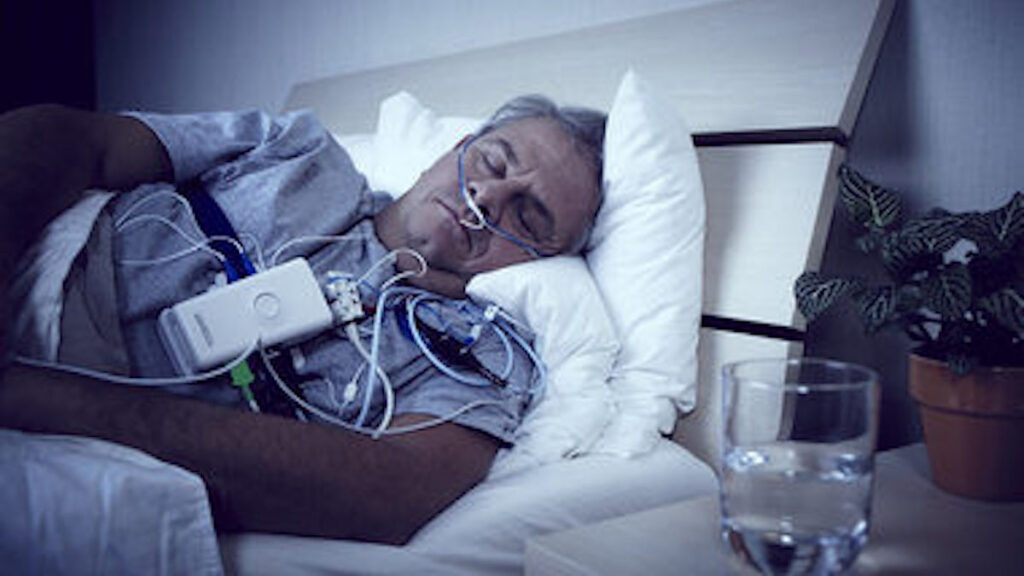
A trained sleep technician applies multiple sensors for polysomnography to specific locations on your body. Small electrodes are placed on your scalp using a conductive paste to measure brain wave activity. Additional sensors attach to your face near the eyes to track eye movements and on your chin to monitor muscle tone. Elastic belts wrap around your chest and abdomen to measure breathing effort, while a small clip on your finger records oxygen levels throughout the night.
The sensor placement process takes approximately 30 to 45 minutes. While the equipment may feel unusual initially, the sensors are designed for comfort and don’t restrict movement. You can still shift positions, turn over, and sleep in your preferred posture.
What Does the Timeline Look Like During an In-Clinic Sleep Study Procedure?
The in-clinic sleep study procedure follows a structured schedule:
Evening (8:00 PM – 9:30 PM)
- Check-in and paperwork completion
- Changing into comfortable sleepwear
- Sensor attachment by the technician
- Final comfort checks and questions
Night (9:30 PM – 6:00 AM)
- Lights out at your preferred bedtime
- Continuous monitoring while you sleep
- Technician observation from a separate room
- Bathroom breaks available if needed (sensors remain attached)
Morning (6:00 AM – 7:00 AM)
- Wake-up time around 6:00 AM
- Sensor removal by the technician
- Brief questionnaire about sleep quality
- Departure from the clinic
The technician monitors you throughout the night via video and sensor data from an adjacent room. If sensors become dislodged or technical issues arise, they can enter quietly to make adjustments.
Which Physical Functions Are Monitored?
The comprehensive monitoring captures multiple physiological parameters simultaneously:
- Brain activity: Measured through electroencephalography (EEG) using scalp electrodes.
- Eye movements: Tracked via electrodes placed near the eyes.
- Muscle tone: Monitored through an electrode attached to the chin.
- Breathing patterns: Assessed with elastic belts around the chest and abdomen.
- Oxygen levels: Recorded using a pulse oximeter clipped onto a finger.
- Heart rate variability: Analyzed through electrocardiography (ECG) if applicable.
These measurements provide valuable insights into various aspects of your sleep, including sleep stages, disturbances, and overall quality.
How Can Patients Prepare for Their Sleep Study?
Proper preparation for a sleep study significantly impacts the quality of data collected and your overall comfort during the assessment. Following the right pre-study instructions can make a substantial difference. For instance, it’s advisable to eat dinner at least two hours before your scheduled arrival time, typically around 5-6 PM. This early meal prevents discomfort from lying down with a full stomach while ensuring you won’t feel hungry during the night.
Hair cleanliness plays a crucial role in sensor attachment and data accuracy. Wash your hair thoroughly on the day of your study using regular shampoo, but avoid applying any conditioners, oils, gels, or styling products. These substances create a barrier between the sensors and your scalp, potentially interfering with the electrical signals that monitor brain activity. Arrive with completely dry hair to facilitate the attachment process.
What Should You Avoid Before Your Study?
Nail polish on fingers or toes must be removed before arriving at the clinic. The pulse oximeter, which clips onto your fingertip to measure oxygen levels, relies on light transmission through the nail bed. Dark or opaque polish blocks this light, making accurate readings impossible. Clear polish can also interfere with measurements, so bare nails are essential.
Caffeine consumption requires careful management on study day. Avoid coffee, tea, energy drinks, and chocolate after midday to prevent artificial alertness that could skew your natural sleep patterns. Similarly, alcohol should be avoided entirely as it alters sleep architecture and breathing patterns, potentially masking or exaggerating certain conditions.
How Can You Maximize Comfort During the Assessment?
Pack comfortable, loose-fitting sleepwear that buttons or zips in the front. This design allows technicians to attach chest sensors without requiring you to pull clothing over your head, which could disturb the scalp electrodes already in place. Two-piece pajamas work better than nightgowns or one-piece outfits.
Bring your regular pillow from home if possible. Familiar bedding helps recreate your typical sleep environment, making it easier to fall asleep despite the clinical setting. Most Sydney sleep clinics encourage this practice and have space to accommodate personal pillows.
Consider your evening routine and pack accordingly. Bring:
- Prescription medications you normally take at bedtime
- Reading material or a tablet for pre-sleep relaxation activities
For more detailed information on preparing for a sleep study, you may refer to resources provided by UCLA Health.
Are There Alternatives to In-Clinic Sleep Studies?
Home-based sleep study Sydney options provide a practical alternative for patients who struggle with sleeping in unfamiliar environments. These studies use portable sleep monitoring devices that record essential data while you sleep in your own bed, offering a more natural sleep environment that can yield accurate results for many individuals.
The technology behind home sleep testing has advanced significantly. Modern portable devices track breathing patterns, oxygen levels, heart rate, and body position throughout the night. While they don’t capture as many data points as full polysomnography, these devices effectively diagnose common conditions like obstructive sleep apnea.
How Does the Home Sleep Study Process Work?
The process begins with an evening visit to your chosen sleep clinic. A trained technician attaches the monitoring sensors to your body and provides detailed instructions on operating the recording device. The equipment typically includes:
- Nasal cannula to measure airflow
- Finger probe for oxygen saturation monitoring
- Chest bands to track breathing effort
- Small recording unit worn on the body
You’ll receive clear guidance on how to turn the device on before bed and off upon waking. The setup takes approximately 15-20 minutes at the clinic, after which you return home to sleep as normally as possible.
The following morning, you remove the sensors yourself and return the equipment to the clinic along with a completed questionnaire about your sleep experience. Most clinics request the device back by mid-morning to begin analysis.
Who Benefits Most From Home-Based Testing?
Certain patient groups find home sleep studies particularly advantageous. People with mobility issues or disabilities may prefer avoiding an overnight clinic stay. Shift workers can schedule the test around their work patterns more easily.
Patients with anxiety about sleeping in clinical settings often produce more representative results at home. The familiar environment reduces stress that might artificially affect sleep patterns. Parents with young children appreciate not needing overnight childcare arrangements.
Home testing suits individuals with high suspicion of obstructive sleep apnea based on symptoms like loud snoring, witnessed breathing pauses, or excessive daytime sleepiness. The portable devices excel at detecting these conditions.
Limitations to Consider
Home sleep studies aren’t appropriate for everyone. Patients with complex medical conditions, suspected central sleep apnea, or movement disorders during sleep typically require
What Happens After the Sleep Study Is Completed?
How are sleep study results analyzed and reported?
Sleep study results analysis involves a comprehensive review of all data collected during your overnight monitoring. A qualified sleep physician examines the recordings of your brain waves, breathing patterns, oxygen levels, heart rhythm, and body movements throughout the night. This detailed analysis typically takes several days to complete as specialists carefully interpret hundreds of data points to identify any abnormalities or patterns indicating sleep disorders.
The specialist generates a detailed report documenting their findings, including any episodes of sleep apnea, unusual breathing patterns, limb movements, or disruptions to your sleep architecture. This report gets sent to both the sleep specialist who will discuss results with you and your referring GP who maintains your overall health records. Your GP receives this information to ensure continuity of care and can coordinate any necessary treatments with other healthcare providers managing your health conditions.
What happens during the follow-up appointment with specialist?
The follow-up consultation represents a critical step in your sleep health journey. During this appointment, your sleep specialist walks through your results in detail, explaining what the data reveals about your sleep patterns and any diagnosed conditions. The specialist uses visual aids and graphs to help you understand complex medical information about your sleep architecture and any identified disorders.
Your specialist discusses the severity of any diagnosed conditions, such as:
- The frequency and duration of breathing interruptions
- Oxygen desaturation levels during sleep
- Sleep stage disruptions affecting rest quality
- Movement disorders impacting sleep continuity
This appointment provides an opportunity to ask questions about your diagnosis and express concerns about symptoms you’ve experienced. The specialist considers your lifestyle, work schedule, and personal preferences when recommending treatment options.
Why is the follow-up consultation essential?
Understanding your sleep study results through professional guidance ensures you grasp the implications of your diagnosis. Many sleep disorders require specific treatments, and your specialist explains which interventions will work best for your situation. Treatment recommendations might include CPAP therapy for sleep apnea, lifestyle modifications, medication, or referrals to other specialists for complex cases.
The consultation allows your specialist to develop a personalized treatment plan addressing your specific needs. They explain how each recommended treatment works, potential side effects, and expected outcomes. For patients requiring CPAP machines or oral appliances, specialists provide detailed instructions on proper use and maintenance.
See Also : What a Comprehensive Sleep Test Melbourne Services Offer Can Tell You About Your Health
What Are the Costs Involved and Are There Any Coverage Options?
The cost of sleep study Sydney varies depending on whether you choose an in-clinic or home-based assessment. In-clinic polysomnography typically ranges from $600 to $1,200 for the overnight monitoring service, while home-based sleep studies generally cost between $300 and $600. These prices reflect the diagnostic testing component and don’t include separate consultation fees with sleep specialists.
Medicare Coverage for Sleep Tests
Medicare coverage for sleep tests provides partial rebates for eligible patients who meet specific criteria. Medicare typically covers a portion of the diagnostic costs when a GP referral is provided and the study is deemed medically necessary. The rebate amount depends on the type of test performed and whether it’s conducted at a Medicare-approved facility. Patients should expect to pay an out-of-pocket gap even with Medicare coverage, which can range from $200 to $500 for in-clinic studies.
Home-based sleep studies often qualify for Medicare rebates as well, though the reimbursement amount may differ from in-clinic assessments. The portable monitoring equipment and analysis services are eligible for Medicare item numbers that provide partial coverage. Patients need to confirm with their chosen clinic whether they bulk bill or require upfront payment with subsequent Medicare claims.
Private Health Insurance Reimbursement
Private health insurance reimbursement options depend on your level of hospital cover and whether your policy includes sleep disorder diagnostics. Many private health funds classify sleep studies under hospital treatment or diagnostic procedures, which means patients with appropriate cover may receive significant rebates. The reimbursement percentage varies between insurers and policy tiers, ranging from 50% to 100% of the total cost.
Some key considerations for private insurance coverage include:
- Waiting periods: Most policies require a 2-12 month waiting period before sleep study coverage becomes active
- Annual limits: Certain funds cap the amount they’ll pay for diagnostic tests per calendar year
- Gap payments: Even with full coverage, patients may still face gap fees charged by the clinic
- Pre-approval requirements: Some insurers require prior authorization before the study is conducted
Checking Payment Options Before Booking
Contacting your chosen sleep clinic directly provides the most accurate cost estimate for your specific situation. Clinic staff can explain their fee structure
Why Is It Important to Undergo a Sleep Study?
What health risks do untreated sleep disorders pose?
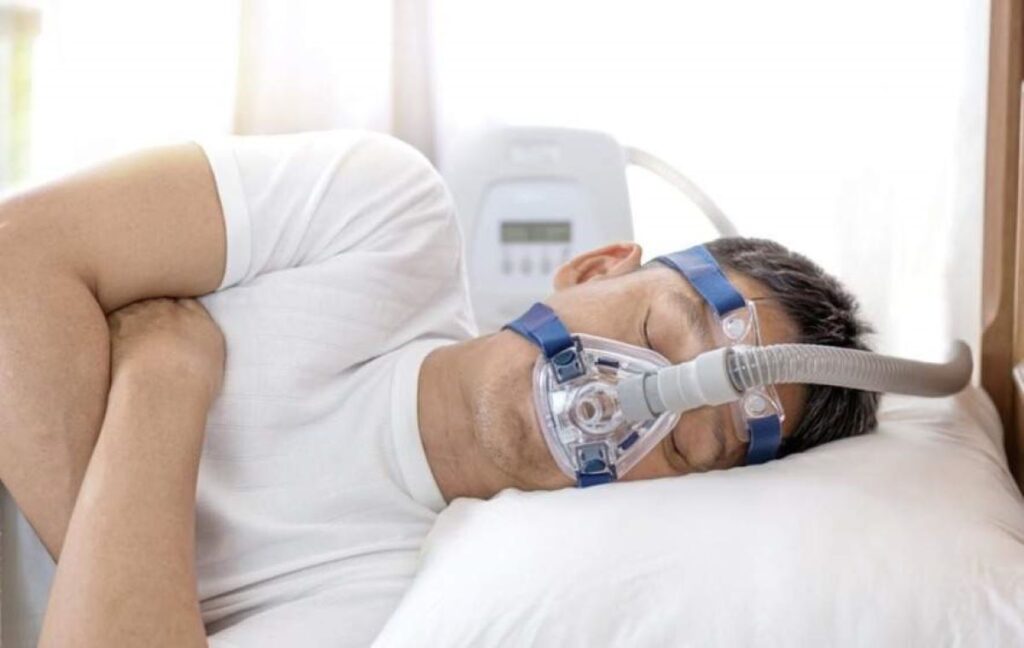
Untreated sleep disorders create serious threats to physical and mental wellbeing, with cardiovascular disease ranking among the most severe complications. Sleep apnea, one of the most common conditions detected through sleep studies, causes repeated breathing interruptions that deprive the body of oxygen throughout the night.
These oxygen drops force the heart to work harder, leading to elevated blood pressure and increased strain on the cardiovascular system. Research consistently shows that people with untreated sleep apnea face significantly higher risks of:
- Heart attacks and coronary artery disease
- Irregular heartbeats (arrhythmias)
- Stroke and transient ischemic attacks
- Congestive heart failure
- Resistant hypertension that doesn’t respond to standard medications
The relationship between poor sleep and heart health extends beyond apnea. Chronic sleep deprivation from any disorder disrupts the body’s natural repair processes, increases inflammation markers, and interferes with glucose metabolism. These changes compound over time, creating a cascade of health problems that affect multiple organ systems.
How do sleep disorders affect mental health and mood?
The impact on cardiovascular health and cognition becomes evident when examining the psychological consequences of disrupted sleep. People with undiagnosed sleep disorders frequently experience depression, anxiety, and irritability without understanding the root cause.
The brain requires quality sleep to regulate neurotransmitters responsible for mood stability. When sleep architecture becomes fragmented or insufficient, serotonin and dopamine production suffers. This biochemical imbalance manifests as:
- Persistent low mood and loss of interest in activities
- Heightened anxiety and stress responses
- Difficulty managing emotions and increased irritability
- Social withdrawal and relationship strain
Many Sydney residents seeking treatment for depression or anxiety discover that addressing their underlying sleep disorder provides more relief than psychiatric medications alone. The connection between sleep quality and mental health operates bidirectionally—poor sleep worsens mood disorders, while mood disorders make quality sleep more elusive.
What are the benefits of diagnosing sleep disorders for daily functioning?
The benefits of diagnosing sleep disorders become immediately apparent in workplace performance and cognitive abilities. Untreated sleep conditions impair concentration, memory consolidation, and decision-making capacity
Conclusion
Sleep-related symptoms deserve attention, not dismissal. Residents experiencing persistent snoring, daytime fatigue, breathing interruptions during sleep, or difficulty concentrating should consult their GP about booking a sleep study Sydney clinics offer.
Informed decision-making for residents begins with understanding the assessment process, preparation requirements, and available options. Whether choosing an in-clinic overnight study or a home-based alternative, both pathways provide accurate diagnostic information that guides effective treatment.
The investment in a sleep study extends beyond immediate health concerns. Proper diagnosis and treatment can:
- Reduce cardiovascular disease risk
- Improve mental clarity and mood stability
- Enhance workplace performance
- Restore relationship quality affected by sleep disruptions
Sydney’s accredited sleep clinics provide accessible, professional services supported by Medicare rebates and private insurance options. Taking the first step—speaking with a GP about symptoms—opens the door to better sleep, improved health, and enhanced daily functioning. Quality sleep isn’t a luxury; it’s a fundamental component of wellbeing that affects every aspect of life.