
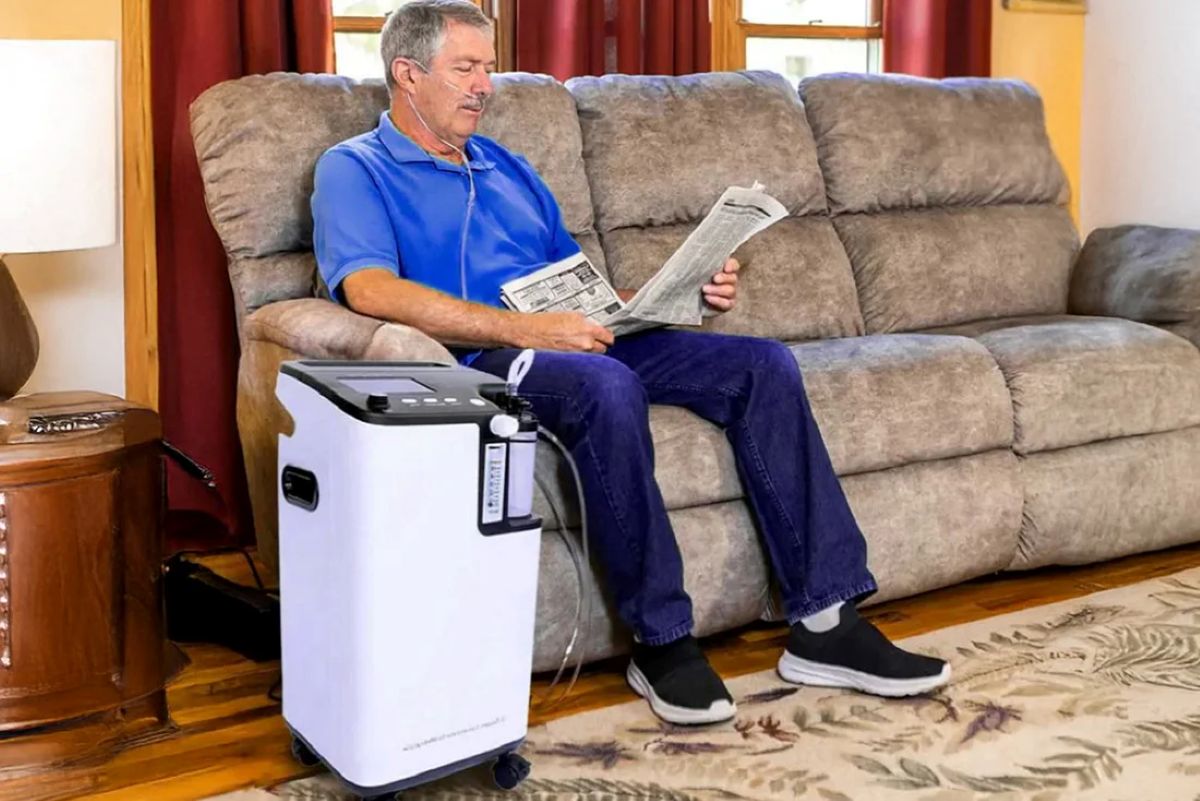
CPAP (Continuous Positive Airway Pressure) machines deliver a steady stream of pressurised air through a mask to keep airways open during sleep, making them the gold standard for treating obstructive sleep apnoea. This condition affects millions worldwide, causing breathing interruptions that disrupt sleep quality and increase health risks.
The digital marketplace offers convenient access to CPAP machines online, yet this convenience comes with responsibility. Purchasing from the wrong source can result in counterfeit equipment, incorrect settings, or devices that fail to meet medical standards—all of which compromise your sleep apnoea treatment and potentially your health.
A safe CPAP purchase requires more than simply clicking “add to cart.” You need to verify seller credentials, understand your prescription requirements, and recognise which features genuinely support your therapy goals. The stakes are high: the wrong machine won’t just waste money; it could leave your sleep apnoea untreated.
This guide presents five essential strategies to help you navigate online CPAP purchases with confidence. From verifying authorised retailers to understanding warranty protections, these tips ensure you receive authentic equipment tailored to your medical needs. Whether you’re buying your first machine or replacing an existing unit, these insights protect both your investment and your health outcomes.
What Should You Know Before Buying a CPAP Machine Online?
Do You Need a Prescription?
A valid CPAP prescription is legally required before purchasing any CPAP machine online. This prescription specifies your exact pressure settings, therapy mode, and equipment requirements based on a sleep study conducted by a qualified medical professional. Attempting to purchase without a prescription from reputable sellers will be impossible, as authorised retailers verify prescriptions to comply with medical device regulations.
Why Is Healthcare Provider Consultation Critical?
Your healthcare provider consultation determines which machine features match your specific sleep apnoea severity and breathing patterns. A doctor or sleep specialist reviews your sleep study results to recommend pressure ranges, whether you need fixed or auto-adjusting pressure, and if additional features like bilevel therapy are necessary. This personalised guidance prevents purchasing equipment that won’t deliver effective treatment for your condition.
Many patients make the mistake of selecting machines based solely on price or online reviews. Your prescribed settings might require capabilities that budget models lack, rendering them ineffective for your therapy needs.
What Are the Main CPAP Machine Types Available?
Understanding CPAP machine types helps narrow your search to models that fit both medical requirements and lifestyle preferences:
- Standard Home Units: deliver continuous fixed pressure throughout the night. These machines are ideal for patients with consistent pressure needs and remain stationary on bedside tables. They typically offer the most features and quietest operation.
- Portable Travel Units: weigh less than 1kg and include compact designs for frequent travellers. These devices maintain the same therapeutic effectiveness as home units whilst fitting easily into carry-on luggage. Battery compatibility makes them suitable for camping or areas with unreliable electricity.
- Bi-level Machines (BiPAP): provide two pressure settings—higher pressure during inhalation and lower during exhalation. Patients who struggle with standard CPAP pressure or have certain respiratory conditions benefit from this dual-pressure approach.
- Auto-Adjusting Machines (APAP): automatically modify pressure throughout the night based on detected breathing patterns. These devices respond to changing sleep positions, congestion, or other factors affecting airway resistance without manual adjustment.
Your prescription will specify which category suits your diagnosed condition. Patients with complex sleep apnoea or coexisting respiratory issues often require bi-level or auto-adjusting capabilities rather than standard fixed.
How Can They Ensure They Are Buying From Authorised and Reputable Sellers?
Purchasing from authorised retailers, manufacturer websites, or certified telehealth providers guarantees authentic equipment and proper support. These verified sources require valid prescriptions and sell only genuine products that meet regulatory standards.
Unauthorised third-party marketplaces and private sellers pose significant risks to buyers. Counterfeit CPAP machines may lack proper safety certifications, contain inferior components, or deliver inconsistent air pressure that compromises therapy effectiveness. These devices often appear legitimate but fail to meet medical device standards, potentially worsening sleep apnoea symptoms rather than treating them.
Red Flags of Unauthorised Sellers
Watch for these warning signs when evaluating online vendors:
- No requirement for a valid prescription
- Prices significantly below market average
- Lack of verifiable business credentials or contact information
- Absence of manufacturer authorisation certificates
- Limited or no customer service availability
- Vague product descriptions without model numbers
- Sellers operating exclusively through social media or auction sites
Advantages of Buying From Reputable Sources
Authorised sellers provide comprehensive warranty coverage that protects your investment. Most legitimate retailers offer warranties ranging from one to three years, covering manufacturing defects and equipment malfunctions. This protection becomes void when purchasing from unauthorised channels.
Customer support represents another critical benefit of reputable sellers. Authorised retailers employ trained specialists who can:
- Guide you through initial setup and calibration
- Troubleshoot technical issues promptly
- Process warranty claims efficiently
- Provide replacement parts compatible with your specific model
- Assist with insurance documentation and claims
Verifying Seller Authorisation
Check the manufacturer’s official website for lists of authorised distributors in your region. Many CPAP manufacturers maintain online directories of verified retailers. Contact the manufacturer directly if you’re uncertain about a seller’s legitimacy.
Look for industry certifications and accreditations. Reputable medical equipment suppliers often display credentials from organisations such as the Accredited Business Bureau or relevant healthcare equipment associations. These certifications indicate adherence to quality and service standards.
Manufacturer websites offer the most direct purchasing route, eliminating concerns about authenticity. Buying directly from brands like ResMed, Philips Respironics, or Fisher & Paykel
What Features and Accessories Should They Consider When Choosing Their Machine?
The right CPAP features directly impact therapy success and nightly comfort. Modern machines offer ramp time settings that gradually increase air pressure from a lower starting point, allowing users to fall asleep more comfortably before reaching prescribed therapeutic levels. Quiet operation technology reduces noise to whisper-soft levels (typically 25-30 decibels), preventing sleep disruption for both users and bed partners.
Altitude adjustment automatically compensates for changes in air pressure when travelling to different elevations, maintaining consistent therapy effectiveness. App connectivity transforms CPAP therapy by tracking detailed sleep data—including mask seal quality, apnoea events per hour, and usage patterns—which users can share with healthcare providers for therapy optimisation.
Which Mask Type Best Suits Individual Needs?
Mask selection determines whether users will maintain therapy compliance or abandon treatment. Full-face masks cover both nose and mouth, ideal for mouth breathers or those with chronic nasal congestion. These masks prevent air leakage when the mouth opens during sleep but require proper sizing to avoid pressure sores on the bridge of the nose.
Nasal masks cover only the nose and suit users who breathe primarily through their nostrils. They offer a less claustrophobic feel and work well for active sleepers who change positions frequently. The smaller contact area reduces facial marks and allows for easier reading or watching television before sleep.
Nasal pillow masks insert soft cushions directly into the nostrils, providing the most minimal design with maximum field of vision. These lightweight options appeal to claustrophobic users and those who wear glasses. Side sleepers particularly benefit from nasal pillows as they create fewer pressure points against pillows.
What Accessories Enhance Therapy Compliance?
Heated humidifiers integrate with CPAP machines to add moisture to pressurised air, preventing dry mouth, nosebleeds, and throat irritation. Climate control features adjust humidity levels automatically based on room temperature, maintaining optimal moisture without condensation buildup in tubing. Users living in dry climates or those experiencing seasonal dryness find heated humidification essential for comfortable therapy.
Extended tubing (typically 10-15 feet) provides freedom of movement during sleep without disconnecting.
How Can They Verify Warranty, Return Policies, and Insurance Coverage?
Understanding Warranty Verification for CPAP Machines
Warranty verification protects your investment by ensuring you can get repairs or replacements if your CPAP machine malfunctions. Most reputable manufacturers offer warranties ranging from one to three years, covering defects in materials and workmanship.
Key warranty elements to check:
- Duration of coverage (typically 1-3 years for the main unit)
- What components are included (motor, circuit board, sensors)
- Exclusions such as normal wear items (masks, tubing, filters)
- Whether the warranty is manufacturer-backed or retailer-specific
- Registration requirements and deadlines
- Service options (repair, replacement, or refund)
Authorised sellers provide manufacturer warranties automatically, whilst unauthorised retailers may offer no warranty or limited third-party coverage that manufacturers won’t honour. Request written warranty documentation before completing your purchase and verify the warranty start date corresponds with your delivery date.
Understanding Return Policy CPAP Machines
Return policies for online CPAP purchases vary significantly between sellers. Standard return windows range from 14 to 90 days, with some specialised sleep therapy retailers offering extended trial periods up to 30 or 90 days specifically for CPAP equipment.
Critical return policy details:
- Length of return window from delivery date
- Condition requirements (unopened, gently used, original packaging)
- Restocking fees (typically 15-25% if applicable)
- Who pays return shipping costs
- Refund method (original payment method, store credit)
- Exclusions for hygiene reasons (masks, headgear, tubing)
Many reputable CPAP retailers understand that finding the right machine requires testing during actual sleep. They offer “comfort guarantee” or “mask fit guarantee” programmes allowing returns or exchanges even after use, provided the equipment remains in good condition. Read the complete return policy before purchasing, not just the highlighted return window, as fine print often contains important restrictions.
Navigating Insurance Coverage for CPAP
Insurance coverage for CPAP equipment can significantly reduce out-of-pocket expenses. Most private health insurance plans and Medicare cover CPAP machines when medically necessary, typically covering 80% of costs after deductibles. You may like to visit https://us-tip.com/the-ultimate-guide-to-getting-an-oxygen-machine-for-home-use/ to get the ultimate guide to getting an oxygen machine for home use.
What Practices Should They Follow to Maintain Hygiene and Maximise Therapy Effectiveness?
Proper CPAP hygiene maintenance directly impacts treatment success and personal health. Neglecting routine cleaning and component replacement can lead to respiratory infections, skin irritation, and reduced machine performance that compromises sleep apnoea therapy.
Essential Replacement Schedule for CPAP Components
Different parts of a CPAP system require replacement at specific intervals to maintain optimal function:
Filters need attention most frequently. Disposable filters should be replaced every 2-4 weeks, whilst reusable filters require washing every 1-2 weeks and replacement every 3 months. Dirty filters restrict airflow and allow dust, allergens, and bacteria to enter the airways.
Masks and cushions deteriorate with regular use. Silicone cushions typically last 1-3 months before losing their seal, causing air leaks that reduce therapy pressure. Full-face masks may need replacement every 3-6 months, whilst nasal pillows often require more frequent changes due to their delicate design.
Tubing should be replaced every 3-6 months. Over time, tubing develops microscopic cracks that harbour bacteria and mould, even when cleaned regularly. Visible discolouration, stiffness, or small tears indicate immediate replacement is necessary.
Headgear stretches with use, losing elasticity after 6 months. Loose headgear fails to maintain proper mask positioning, creating leaks that disturb sleep and reduce treatment effectiveness.
Daily and Weekly Cleaning Protocols
Daily mask cleaning prevents oil buildup from facial skin. Disassemble the mask each morning and wipe cushions with unscented wipes designed for CPAP equipment. This simple step extends cushion life and maintains a proper seal.
Weekly deep cleaning requires more thorough attention:
- Soak mask components in warm water with mild, fragrance-free soap for 15-20 minutes
- Use a soft brush to remove residue from crevices and vent holes
- Rinse thoroughly with clean water to eliminate soap residue
- Air dry completely on a clean towel away from direct sunlight
Water chamber maintenance prevents bacterial growth.
Conclusion
When buying a CPAP machine online, it’s important to be careful and thoughtful. This way, you can make sure you’re getting genuine and effective equipment that suits your specific therapy needs. Making informed choices is crucial for both your health and your investment in effective sleep apnoea therapy.
The 5 Essential Tips for Purchasing CPAP Machines Online Safely discussed in this article provide a comprehensive framework for navigating the online marketplace:
- Obtain a valid prescription and consult your healthcare provider before shopping
- Purchase exclusively from authorised retailers and official manufacturer websites
- Evaluate features and accessories that align with your lifestyle and comfort requirements
- Verify warranty terms, return policies, and insurance coverage options
- Commit to regular maintenance and hygiene practices for optimal therapy outcomes
These safe online CPAP purchase tips will help you avoid counterfeit products, ensure proper customer support, and fully benefit from modern CPAP technology. When you buy the right machine from a trustworthy source, it becomes a long-term partner in effectively managing your sleep apnoea.
Just like any important healthcare decision, your sleep health deserves the same level of attention. Take the time to research sellers, compare features, and ask questions before making your purchase. The effort you put into choosing the right CPAP machine will result in better sleep quality, increased alertness during the day, and improved overall wellbeing.
Are you ready to make your purchase? Use these tips when buying your CPAP machine online. Check the seller’s credentials, confirm your prescription requirements, and select a device that meets your individual therapy needs. This informed decision will kickstart your journey towards better sleep and improved health.
FAQs (Frequently Asked Questions)
Why is it important to have a CPAP prescription before purchasing a machine online?
Having a valid CPAP prescription is essential before buying a machine online because it ensures that the device is tailored to your specific sleep apnea treatment needs. Consulting with a healthcare provider helps recommend the appropriate machine type and settings for effective therapy.
How can I ensure I am buying a genuine CPAP machine from authorized sellers online?
To guarantee authenticity, purchase CPAP machines only from authorized retailers, official manufacturer websites, or reputable telehealth providers. Avoid unauthorized third-party marketplaces or private sellers to reduce risks of counterfeit or substandard products and benefit from warranty coverage and customer support.
What features and accessories should I consider when selecting a CPAP machine online?
Important features to look for include ramp time, quiet operation, altitude adjustment, and app connectivity for sleep data tracking. Additionally, consider various mask types such as full-face, nasal, or nasal pillows for comfort, along with accessories like heated humidifiers, longer tubing, and external batteries to enhance user experience and therapy compliance.
How do I verify warranty, return policies, and insurance coverage when purchasing a CPAP machine online?
Check the warranty terms provided by the seller to protect your investment. Understand the return policies specific to online purchases and review your health insurance plan to determine if it offers partial cost coverage for CPAP equipment.
What hygiene practices should I follow to maintain my CPAP machine and maximise therapy effectiveness?
Maintain regular replacement of filters, masks, and tubing according to manufacturer guidelines. Consistently cleaning your CPAP equipment helps prevent infections and ensures effective therapy outcomes for obstructive sleep apnea management.
What are the key tips for purchasing CPAP machines safely online?
Ensure you have a valid prescription and consult your healthcare provider; buy only from authorized sellers; consider essential features and accessories that suit your needs; verify warranty and return policies; check insurance coverage; and maintain proper hygiene practices post-purchase to maximise therapy success.